Last Updated: 31 January, 2026
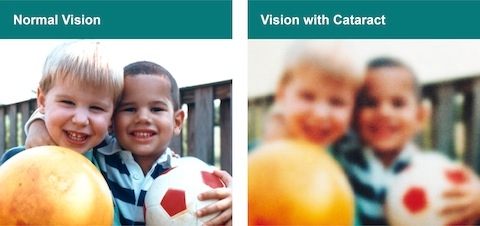
Vision with Cataract
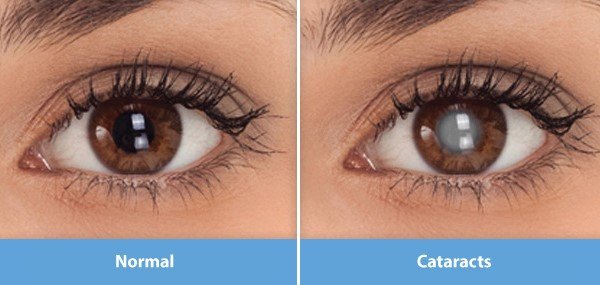
What are the Symptoms of Cataracts?
A cataract is a problem with the clarity of the natural lens, that can cause vision loss.
The article discusses some of the most common symptoms of this condition, and what
to expect if you are experiencing them.
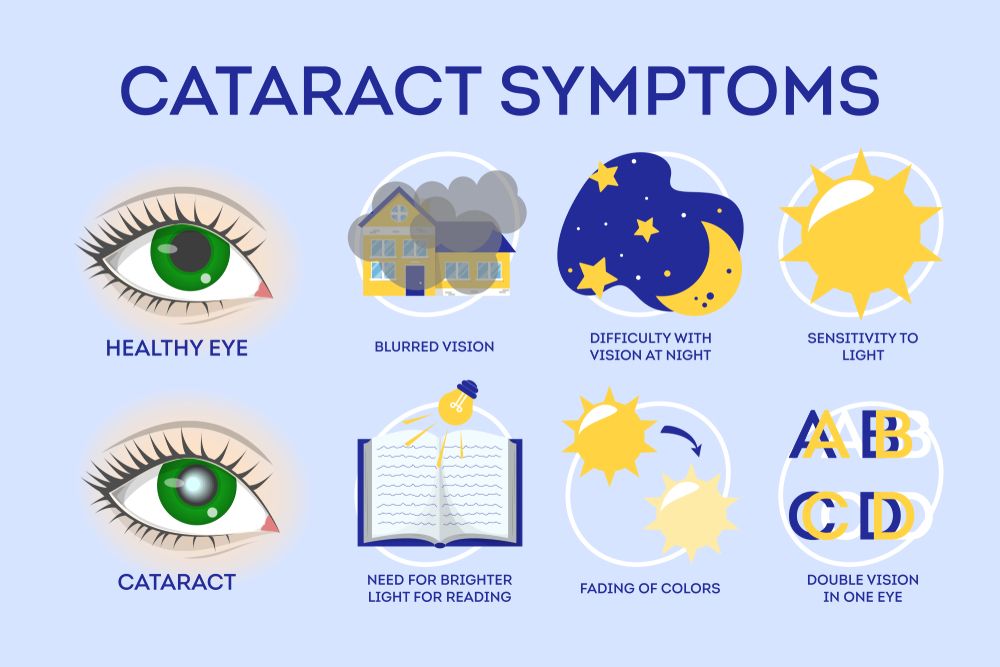
● Vision that is cloudy, blurry, foggy, filmy or dim.
● Nearsightedness (being able to see up close when you required reading glasses
for this)
● Problems driving at night (glare from oncoming headlights, for example)
● Glare during the day, especially in bright light
● Double vision (seeing two images or ghosting of images) from the affected eye
● Trouble with eyeglasses or contact lenses not working well
● Colors look faded, or yellowing of colors
● Lamps, sunlight, or headlights seem too bright
● You have to change the prescription for your glasses often
● Need for brighter light to read
● Difficulty seeing well enough to participate in hobbies or leisure activities
especially at night (poor night vision).
● Distortion of vision in either eye
● Newspapers, books or medicine labels may be difficult to read even with the use
of glasses or contacts.
● Everything looks more ‘washed out’
● Your eyes appear darker; more common with advanced cataracts
Are Cataracts Painful?
Cataracts themselves are not typically painful. Cataracts are a gradual clouding of the lens in the eye, which can cause vision problems such as blurred or hazy vision. However, the development of cataracts is generally painless.
Pain or discomfort may occur if there are complications associated with cataracts, such as inflammation or increased pressure in the eye. In such cases, additional symptoms like eye redness, headache, or discomfort may be present. If you experience any pain or significant changes in your vision, it’s important to consult with an eye care professional for a thorough examination and appropriate management.
Cataract surgery is a common and effective treatment for cataracts. During this surgery, the cloudy lens is removed and replaced with an artificial lens. If you suspect you have cataracts or are experiencing any eye-related issues, it’s advisable to seek prompt medical attention for a proper diagnosis and appropriate care.
When to see a doctor?
If you notice any changes in your vision, such as blurriness, sensitivity to light, or difficulty with daily tasks, it’s crucial to seek professional help promptly. These could be symptoms of cataracts, and early detection is key.
Author Bio
Dr Parth Shah is a leading ophthalmologist in Canberra, specialising in cataract surgery. With extensive training and experience, he is renowned for his expertise in the field. Dr Shah is dedicated not only to performing successful surgeries but also to patient education. His compassionate approach, combined with technical proficiency, has earned him the trust and gratitude of countless patients. He is a true advocate for eye health and a trusted name in the Canberra ophthalmology community.
FAQs