Last Updated: 8 May, 2026
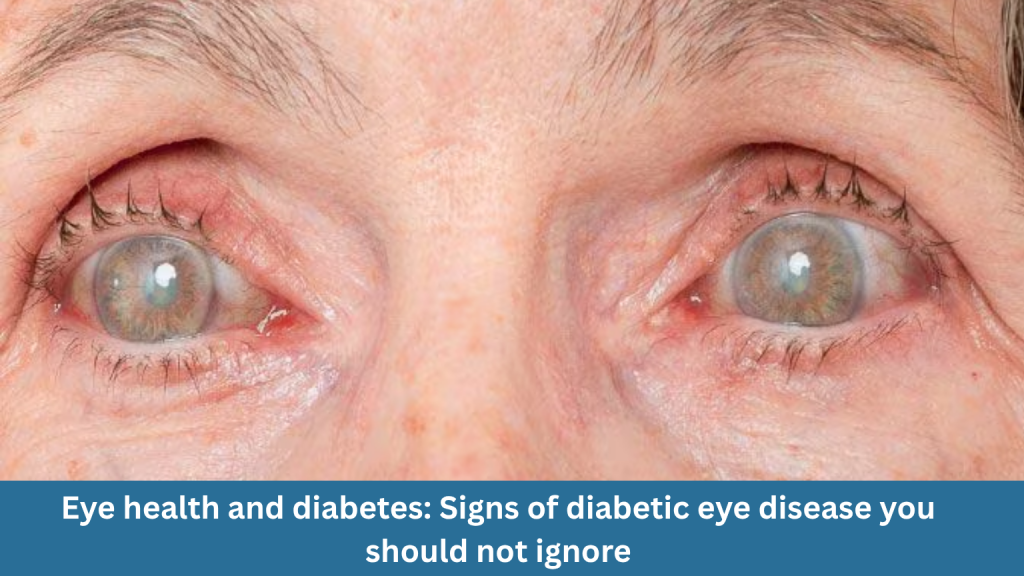
Living with diabetes means paying close attention to more than just blood sugar levels — it also involves protecting your vision. Diabetes can silently damage the eyes over time, often without noticeable symptoms in the early stages. By the time vision changes occur, the condition may already be advanced.
Understanding the warning signs of diabetic eye disease and acting early can make a significant difference in preserving your sight.
What is diabetic eye disease?
Diabetic eye disease refers to a group of eye conditions that affect people with diabetes. The most common and serious condition is diabetic retinopathy, where high blood sugar levels damage the tiny blood vessels in the retina.
Other related conditions include:
- Diabetic macular oedema (DMO) – swelling in the central part of the retina.
- Cataracts – which can develop earlier in people with diabetes.
- Glaucoma – increased pressure in the eye that can damage the optic nerve.
Why does diabetes affect your eyes?
Over time, elevated blood glucose levels can weaken and damage blood vessels throughout the body — including those in your eyes. These vessels may:
- Leak fluid or blood.
- Become blocked.
- Grow abnormally. (which can lead to further complications)
The longer you have diabetes, the higher your risk of developing eye problems, especially if your blood sugar, blood pressure or cholesterol levels are not well controlled.
Early signs you should never ignore
One of the biggest challenges with diabetic eye disease is that it often develops without symptoms in its early stages. However, as the condition progresses, you may notice:
1. Blurred or fluctuating vision
Vision may become blurry or change frequently, especially if blood sugar levels are unstable.
2. Floaters or spots
Seeing dark spots, strings or floaters could indicate bleeding inside the eye.
3. Dark or empty areas in your vision
You may notice missing patches or shadowy areas, particularly in your central vision.
4. Difficulty seeing at night
Reduced night vision can be an early indicator of retinal changes.
5. Colours appearing washed out
Colours may seem faded or less vibrant than usual.
6. Sudden vision loss
This is a serious warning sign and requires immediate medical attention.
When to see an eye specialist?
Do not wait for symptoms to appear. In Australia, it is recommended that people with diabetes have a comprehensive eye examination at least once every 1–2 years, or more frequently if advised.
Seek urgent care if you experience:
- Sudden vision changes.
- A large number of floaters.
- Flashes of light.
- Partial or complete vision loss.
Early detection allows for timely treatment and can prevent permanent damage.
How diabetic eye disease diagnosed?
A comprehensive eye exam may include:
- Retinal imaging.
- Optical coherence tomography (OCT)
- Dilated eye examination.
These tests allow your eye specialist to detect even subtle changes before symptoms begin.
Treatment options
Treatment depends on the stage and severity of the condition. Common options include:
Laser treatment

Used to seal leaking blood vessels and prevent further damage.
Eye injections
Medications are injected into the eye to reduce swelling and stop abnormal blood vessel growth.
Vitrectomy surgery
A surgical procedure to remove blood or scar tissue from the eye, can be used in advanced cases.
Practical steps to protect your vision
Managing diabetes effectively is the most powerful way to protect your eyesight. Here are key steps you can take:
- Keep blood sugar levels stable.
- Manage blood pressure and cholesterol.
- Attend regular eye checks.
- Quit smoking.
- Maintain a healthy diet and exercise regularly.
Consistency in these habits can significantly reduce your risk of vision loss.
Why does early action matter?
Diabetic eye disease is one of the leading causes of preventable blindness, but the good news is that most vision loss can be avoided with early detection and proper care.
Many people only seek help when symptoms interfere with daily life — but by then, damage may already be irreversible. Regular check-ups can catch issues early, when treatment is most effective.
Take charge of your eye health
If you have diabetes, your eye health should be a priority — not an afterthought. Even if your vision feels perfectly normal, changes could already be happening beneath the surface.
Booking a routine eye examination today could protect your sight for years to come.
Conclusion
Diabetic eye disease often develops quietly, but its impact on vision can be life-changing if left undetected. The key to protecting your eyesight lies in awareness, regular monitoring, and timely intervention. Even if you are not experiencing symptoms, routine eye examinations play a crucial role in identifying early changes and preventing long-term damage.
Taking control of your diabetes also means taking control of your eye health. Small, consistent steps today can make a significant difference in preserving your vision for the future.
Protect your vision before problems begin — book your appointment today and take the first step towards lifelong eye health.
Author Bio
Dr Parth Shah is a leading ophthalmologist in Canberra, with a special interest in paediatric eye surgery. With extensive training and experience, he is renowned for his expertise in the field. Dr Shah is dedicated not only to performing successful surgeries but also to patient education. His compassionate approach, combined with technical proficiency, has earned him the trust and gratitude of countless patients. He is a true advocate for eye health and a trusted name in the Canberra ophthalmology community.