
Last Updated: 22 May, 2025
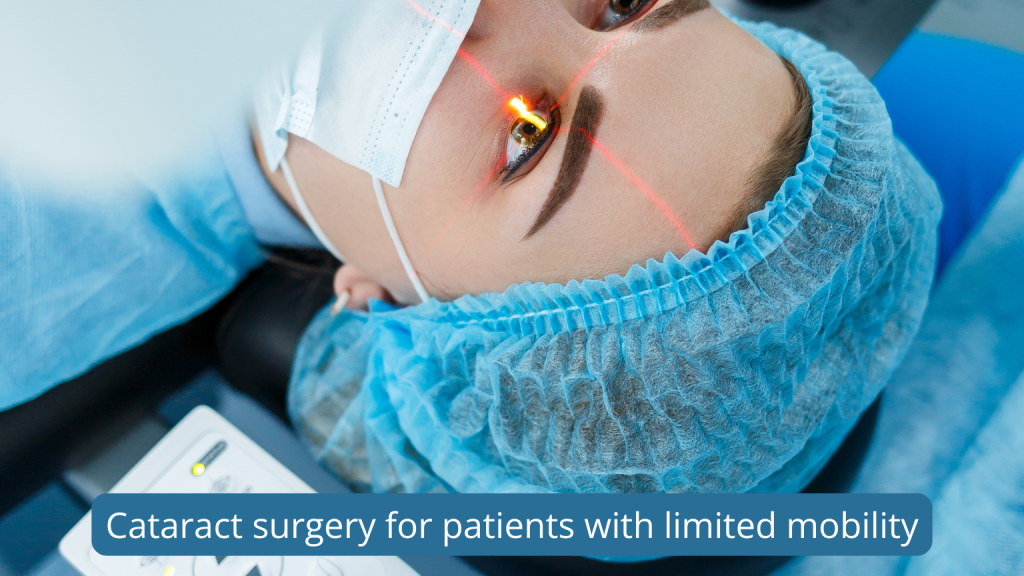
Cataracts are a common age-related eye condition, but undergoing surgery can be particularly challenging for patients with limited mobility. In this blog, we will explore the unique concerns and adjustments needed to ensure a safe and successful cataract surgery experience for individuals with mobility restrictions.
Understanding cataracts and the importance of surgery
What is a cataract?
A cataract occurs when the natural lens of the eye becomes clouded, leading to blurry vision, sensitivity to light, and difficulty seeing at night. Surgery is the only effective treatment to restore vision by replacing the cloudy lens with an artificial one.
Why is cataract surgery important?
Delaying cataract surgery can worsen vision and reduce independence, especially for individuals with limited mobility. Timely surgery can enhance their quality of life, allowing them to regain confidence in their everyday activities.
Challenges faced by patients with limited mobility
Mobility-related barriers

Patients with limited mobility—whether due to arthritis, spinal issues, paralysis, or other physical impairments—may face additional hurdles in undergoing cataract surgery. These challenges may include difficulty sitting in standard positions, transferring from wheelchairs, or maintaining the required head and body posture during surgery.
Accessibility concerns
Many traditional ophthalmology clinics and hospitals may not be fully equipped with wheelchair-accessible spaces, adaptive seating, or specialised equipment to accommodate patients with reduced mobility.
Preoperative assessment and consultation
Tailored evaluation
During the initial consultation, a thorough evaluation is essential. Eye surgeons need to consider both the patient’s eye health and their physical limitations. Understanding their mobility challenges helps in devising a personalised surgical plan.
Communication is key
Open communication between the patient, their caregivers, and the medical team is crucial to ensure that mobility needs are understood and addressed early in the process. This involves discussing any special accommodations required for transportation, surgical setup, and recovery.
Modifying the surgical environment for mobility needs
Operating room adaptations
- Specialised seating and wheelchair access
Cataract surgery is typically performed with the patient lying flat, but for those with severe mobility issues, adjustable chairs or surgical tables that accommodate sitting or reclining positions may be needed. - Assistance with positioning
Ensuring comfort is vital. The surgical team may need to help patients into the correct position and use pillows, foam pads, or other support devices to maintain stability during the procedure. - Anaesthesia adjustments
General anaesthesia or sedation may be necessary for patients who cannot stay still or experience discomfort due to limited mobility.
Postoperative care and rehabilitation for patients with limited mobility
Post-surgery mobility assistance
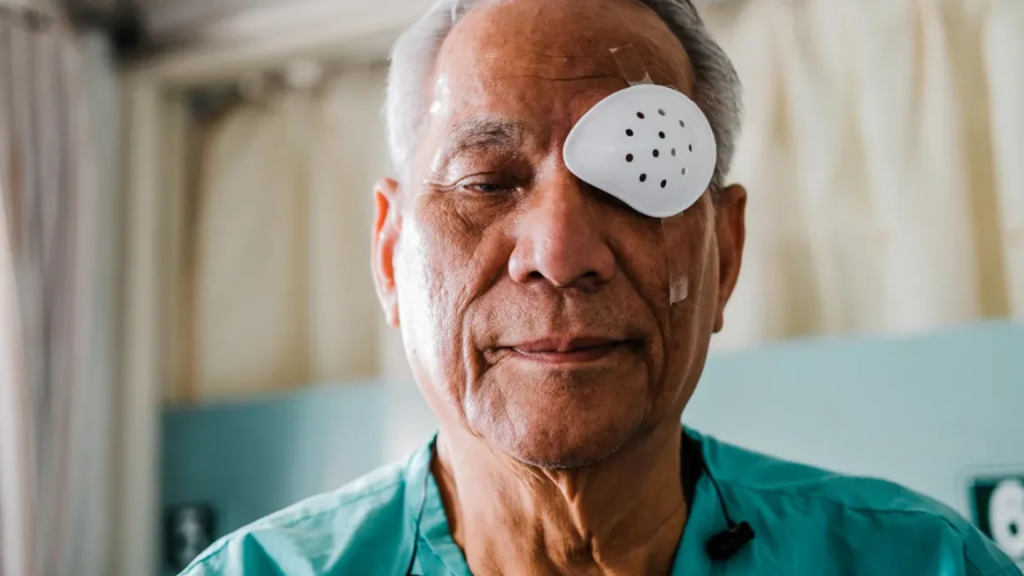
After cataract surgery, patients typically return home the same day. For those with limited mobility, careful planning is needed to ensure they can safely travel home and avoid unnecessary strain during recovery.
Follow-up visits
It may be challenging for patients with mobility issues to return for follow-up appointments. This can be addressed on an individualised basis.
Caregiver support
Patients with limited mobility may rely on caregivers for medication administration, eye care, and attending follow-up appointments. Clear instructions and communication with caregivers are essential for a smooth recovery process.
Technological advances that aid patients with mobility Issues
Minimally invasive techniques
Some cataract surgeries can be performed using minimally invasive techniques, which require fewer adjustments in positioning and reduce the stress on the patient’s body.
Why choose Dr Parth Shah for cataract surgery in Canberra?
- Specialised in cataract surgery, with extensive experience.
- Uses advanced techniques for optimal results and faster recovery.
- Provides personalised, patient-focused care.
- Comprehensive pre-surgical assessments and post-operative follow-up.
- Dedicated to improving vision and enhancing quality of life.
- Trusted choice for cataract surgery in Canberra.
Conclusion
Cataract surgery for patients with limited mobility offers a tailored, compassionate approach to restoring vision while addressing their unique physical challenges. By making necessary adjustments to the surgical environment and providing personalised care, patients with mobility issues can undergo this life-changing procedure safely and comfortably. If you or a loved one have limited mobility and are considering cataract surgery, consult with an experienced ophthalmologist to explore the best options for your needs.
Author bio
Dr Parth Shah is a leading ophthalmologist in Canberra, specialising in cataract surgery. With extensive training and experience, he is renowned for his expertise in the field. Dr Shah is dedicated not only to performing successful surgeries but also to patient education. His compassionate approach, combined with technical proficiency, has earned him the trust and gratitude of countless patients. He is a true advocate for eye health and a trusted name in the Canberra ophthalmology community.
FAQs