Last Updated: 22 May, 2025
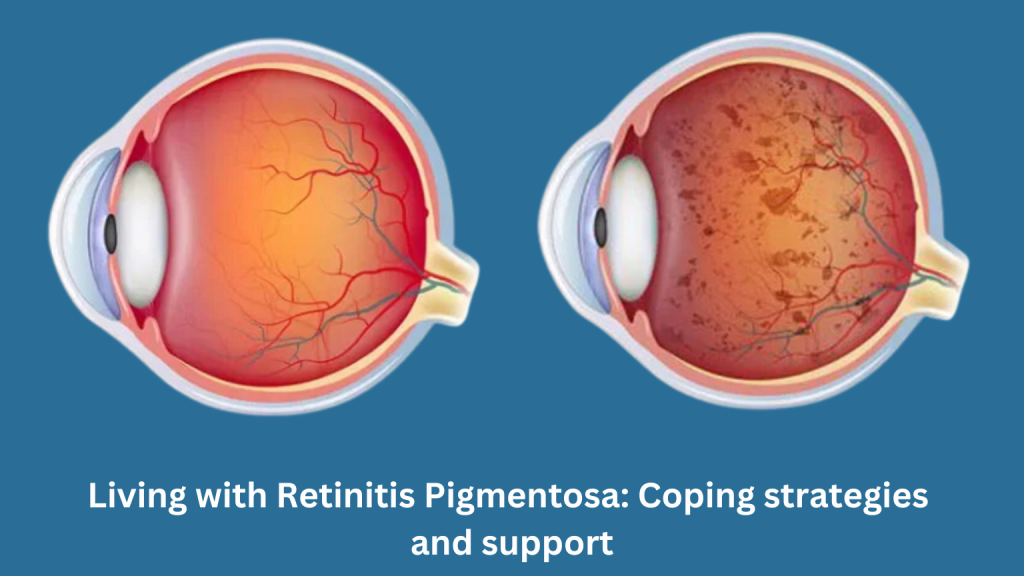
Retinitis Pigmentosa (RP) is a rare, inherited eye disorder that progressively damages the retina, leading to vision loss over time. While there is no definitive cure yet, a combination of lifestyle changes, support networks, and assistive technologies can help individuals cope and lead fulfilling lives. Understanding RP, implementing effective strategies, and staying informed about emerging treatments can make a significant difference in managing the condition.
Understanding Retinitis Pigmentosa
RP primarily affects the retina’s photoreceptor cells, responsible for sensing light and transmitting signals to the brain. It is often diagnosed in childhood or early adulthood, with symptoms that gradually worsen over time.
Common Symptoms Include
- Night blindness: Difficulty seeing in dim light or darkness, often an early symptom.
- Peripheral vision loss: Tunnel vision develops as peripheral retinal function deteriorates.
- Light sensitivity: Discomfort in brightly lit environments.
- Reduced colour perception: Challenges distinguishing certain colours.
- Central vision loss: Often occurs in later stages, impacting activities like reading and driving.
Coping Strategies
1. Embrace vision aids and Assistive technology
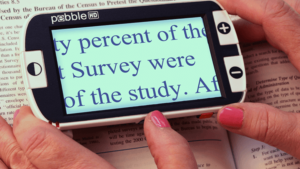
Technology plays a pivotal role in helping those with RP navigate their environment and maintain independence.
- Magnifying devices: Useful for reading books, newspapers, and small print.
- Text-to-speech applications: Translate written text into spoken words for accessibility.
- GPS and navigation tools: Offer audio guidance to enhance mobility and safety.
- Wearable devices: Some offer obstacle detection and assist in recognising faces or objects.
2. Modify your living and work spaces
Adapting your surroundings is essential for safety and convenience.
- Use contrasting colors for better differentiation of objects.
- Keep walkways clear to avoid tripping hazards.
- Install motion-activated lighting in hallways and bathrooms.
- Label items with tactile markers or Braille for easy identification.
3. Stay active Physically and Mentally
- Engaging in activities that do not heavily depend on vision can boost overall well-being.
- Pursue hobbies such as music, gardening, or crafting.
- Exercise regularly with low-impact activities like yoga, swimming, or walking.
- Participate in group activities to foster social connections and reduce isolation.
4. Seek professional support
- Low vision rehabilitation specialists: Offer personalised strategies to optimise remaining vision.
- Mental health counselors: Help manage emotional challenges like anxiety, depression, or frustration.
- Career coaches: Assist in adapting to new roles or acquiring skills for professional growth.
5. Prioritise eye health
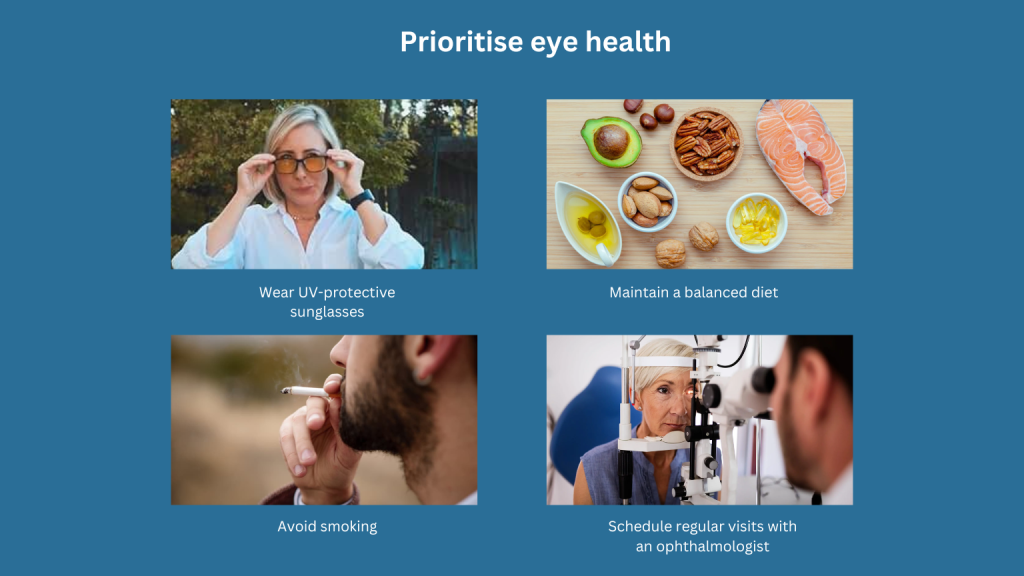
While RP progression cannot be reversed, protecting overall eye health is vital.
- Wear UV-protective sunglasses to shield eyes from harmful rays.
- Maintain a balanced diet rich in omega-3 fatty acids, antioxidants, and vitamins.
- Avoid smoking, as it exacerbates retinal damage.
- Schedule regular visits with an ophthalmologist to monitor the condition.
Finding support
1. Peer support groups
Connecting with others facing similar challenges provides emotional comfort and practical tips. Online forums, social media groups, and local meetups can be great resources.
2. Educational resources
Organisations such as Vision Australia, Macular Diseases Foundation and the Blind Citizens Australia offer information on living with vision loss, updates on research, and tools for coping.
3. Vocational training programs
Several institutions provide specialised training to help individuals with vision impairments adapt their skills to new career opportunities.
4. Financial assistance
Governments and non-profit organisations may offer grants or subsidies for assistive technologies, mobility tools, and other supportive devices.
Advancements in Research
Research into RP is advancing rapidly, offering hope for the future. Emerging treatments include:
- Gene therapy: Targets specific genetic mutations causing RP to slow progression.
- Stem cell therapy: Explores the regeneration of damaged retinal cells.
- Retinal implants: Prosthetic devices that partially restore visual function.
Staying updated with developments in RP treatment through regular consultations with an ophthalmologist ensures access to potential interventions as they become available.
Emotional and Psychological Resilience
1. Mindfulness and Stress management
- Practice mindfulness and meditation to cope with stress.
- Engage in activities that promote relaxation, such as listening to music or nature walks.
2. Open communication
- Discuss your feelings with family and friends to build a support system.
- Seek professional counseling when needed to process emotions effectively.
3. Celebrate small wins
Acknowledge achievements, no matter how minor, to maintain a positive outlook.
Conclusion
Living with Retinitis Pigmentosa can be challenging, but it does not have to define your life. With the right strategies, technology, and support systems, individuals can adapt to their changing vision and continue to lead meaningful lives. Advances in research also offer hope for new treatment possibilities in the future.
If you or a loved one is living with RP, remember that help is available.
Author bio
Dr Parth Shah is an experienced ophthalmologist in Canberra, Australia. With extensive training and experience, he is renowned for his expertise in the field. Dr Shah is dedicated not only to performing successful surgeries but also to patient education. His compassionate approach, combined with technical proficiency, has earned him the trust and gratitude of countless patients. He is a true advocate for eye health and a trusted name in the Canberra ophthalmology community.
FAQs