
Last Updated: 23 May, 2025
Cataract surgery has evolved significantly over the years, with cutting-edge advancements improving precision, safety, and outcomes. Modern innovations have revolutionised how eye surgeons remove cataracts and restore vision, ensuring patients experience faster recovery and improved visual clarity. Here are the latest advancements in cataract surgery technology that you should know about:
- Femtosecond Laser-Assisted Cataract Surgery (FLACS).
- Advanced Intraocular Lenses (IOLs).
- Advanced phacoemulsification machines.
- Smart glasses for surgeon assistance.
- Hydrogel Intraocular Lenses (IOLs).
- Laser interferometry for pre-surgical measurements.
1. Femtosecond Laser-Assisted Cataract Surgery (FLACS)
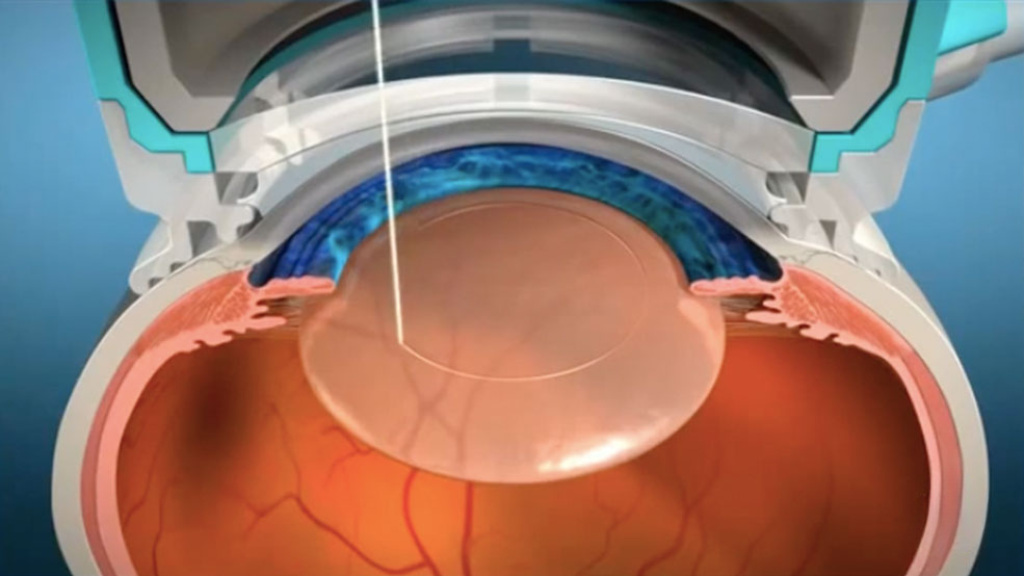
Femtosecond laser technology is a major breakthrough that enhances the precision of key steps in cataract surgery. It automates critical tasks such as:
- Corneal incisions for consistent wound architecture.
- Capsulotomy for precise lens removal and centration.
- Fragmentation of the cataract, for easier extraction.
Benefits:
- Greater precision and consistency.
- Reduced energy use for cataract removal.
- Faster recovery with reduced complications.
Risks:
- Higher cost than traditional cataract surgery.
- Potential for incomplete capsulotomy, requiring manual correction.
- Increased risk of intraocular pressure spikes.
2. Advanced Intraocular Lenses (IOLs)

Newer IOL designs have transformed post-surgery vision correction. Modern options include:
- Multifocal IOLs: Offer clear vision at multiple distances
- Extended Depth of Focus (EDOF) IOLs: Provide sharp vision across an extended range
- Toric IOLs: Correct astigmatism for improved clarity
- Light Adjustable Lenses (LALs): Customisable post-surgery for fine-tuned vision
Benefits:
- Reduced dependence on glasses.
- Enhanced night vision and contrast sensitivity.
Risks:
- Higher cost compared to standard monofocal IOLs.
- Potential for glare and halos with multifocal IOLs.
- Adjustment period for brain adaptation to new visual experience.
3. Advanced phacoemulsification machines
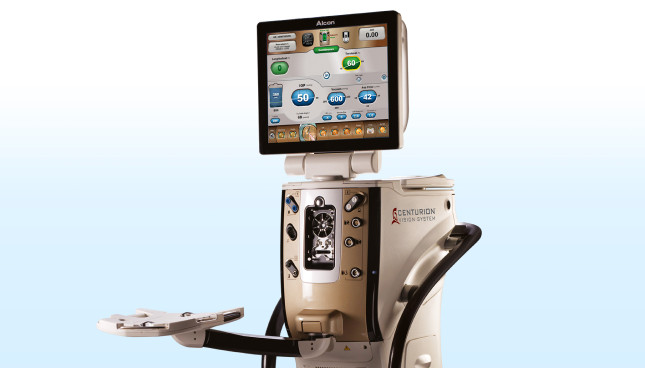
Modern phacoemulsification devices now feature enhanced fluid control, improved energy management, and smart pressure sensors for safer and more efficient cataract removal.
Benefits:
- Reduced risk of corneal damage from energy used furing cataract surgery.
- Improved control in dense cataract cases.
Risks:
- Over-reliance on machine settings may reduce adaptability in unexpected situations.
- Rare risk of thermal damage to the eye tissues.
4. Smart glasses for surgeon assistance
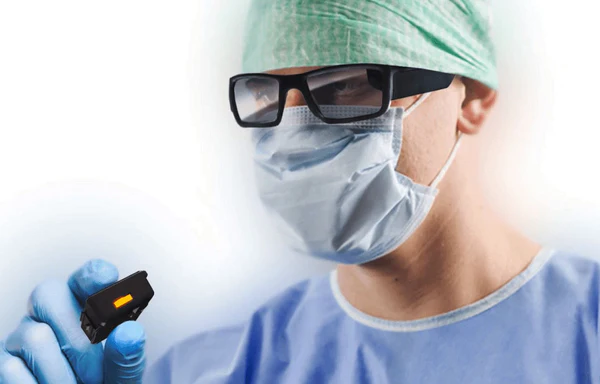
Wearable smart glasses provide surgeons with augmented reality (AR) overlays, improving visualisation and accuracy during complex steps.
Benefits:
- Enhanced visualisation for improved precision.
- Real-time data integration for better decision-making.
Risks:
- Disruptions in technology may cause distractions.
- Additional costs may not justify benefits in all cases.
5. Hydrogel Intraocular Lenses (IOLs)
Researchers are developing hydrogel-based IOLs that adapt to the eye’s natural shape and hydration levels, enhancing comfort and vision quality.
Benefits:
- Increased flexibility and biocompatibility.
- Reduced risk of inflammation and dry eye symptoms.
- Potential for enhanced long-term visual stability.
Risks:
- Still in the research phase—long-term effects unknown.
- Potential for early degradation compared to standard materials.
6. Laser interferometry for pre-surgical measurements
Laser interferometry is an advanced imaging technique that provides highly accurate measurements of the eye’s dimensions before surgery, improving IOL power calculations.

Benefits:
- More precise IOL selection, reducing refractive errors.
- Enhanced customisation for optimal post-surgery vision.
- Reduced risk of needing glasses after surgery.
Risks:
- Expensive diagnostic technology.
- Potential for inaccurate readings in patients with dense cataracts.
Why choose Dr Parth Shah for cataract surgery in Canberra?
As a leading ophthalmologist in Canberra, Dr Parth Shah specialises in advanced cataract surgery using state-of-the-art technology. With extensive experience in modern techniques, he ensures a safe and effective procedure tailored to each patient’s vision needs. By offering precision surgery and premium intraocular lenses, he aims to provide optimal visual outcomes for each patient. His patient-focused approach ensures personalised care, from consultation to post-surgery recovery, making the entire experience smooth and comfortable.
Conclusion
Choosing the right cataract surgery technology can significantly impact your vision outcome. By understanding these latest advancements, you can make an informed decision that best suits your visual needs and lifestyle. For expert advice and personalised care, consult with Dr Parth Shah today.
Author bio
Dr Parth Shah is a leading ophthalmologist in Canberra, specialising in cataract surgery. With extensive training and experience, he is renowned for his expertise in the field. Dr Shah is dedicated not only to performing successful surgeries but also to patient education. His compassionate approach, combined with technical proficiency, has earned him the trust and gratitude of countless patients. He is a true advocate for eye health and a trusted name in the Canberra ophthalmology community.