

Last Updated: 10 September, 2025
Cataract surgery is one of the most frequently performed and successful eye operations worldwide, with millions of people regaining clearer vision each year. Thanks to advances in surgical techniques and technology, the procedure is safe, quick, and has a high success rate.
However, as with any surgery, the healing process can involve temporary side effects — and in rare cases, complications. Knowing what to expect can help you feel prepared, recover smoothly, and know when to seek medical advice.
Understanding cataract surgery recovery
In most cases, recovery from cataract surgery is straightforward. The cloudy natural lens is replaced with a clear artificial intraocular lens (IOL), restoring the passage of light to the retina.
While many people notice an improvement in their vision within hours or days, the eye still needs time to heal. During this healing phase, you may experience certain changes in your vision or comfort level.
Below, we will look in detail at the most common post-surgical problems, their causes, and what to do about them.
1. Blurry or cloudy vision

Why it happens:
Immediately after surgery, it is normal for vision to be hazy or blurry. This can be due to:
- Mild corneal swelling from surgery.
- Healing tissues in the eye.
- Adjustment to the new IOL.
What is normal:
- Blurriness improves gradually over a few days to weeks.
- Colours appear brighter as the yellow-brown tint from the cataract is gone.
When to seek help:
- If blurriness worsens suddenly.
- If it persists beyond a few weeks without improvement.
What you can do:
Follow your prescribed eye drop regimen to reduce swelling and inflammation, and attend your follow-up appointments for assessment.
2. Dry eyes or grittiness

Why it happens:
Cataract surgery involves a tiny incision, which can temporarily disrupt the eye’s tear film and cause mild dryness.
Patients may also notice a “foreign body sensation,” as if something is in the eye.
What is normal:
- Mild dryness or gritty feeling in the first few weeks.
- Temporary discomfort that improves with artificial tears.
What you can do:
- Use preservative-free lubricating drops as directed.
- Avoid environments with strong wind or air-conditioning during early recovery.
When to seek help:
If dryness is accompanied by worsening redness, pain, or vision changes, contact your ophthalmologist promptly.
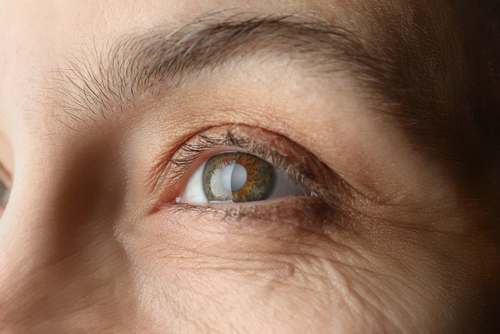
3. Light sensitivity and glare
Why it happens:
After the cataract is removed, more light enters the eye through the clear new lens.
Some patients notice haloes or glare, especially at night, as their brain adapts to the improved light transmission.
What is normal:
- Increased sensitivity to sunlight or bright lights for a few weeks to months.
- Gradual improvement as the eye heals.
What you can do:
- Wear sunglasses outdoors.
- Use a brimmed hat in bright sunlight.
When to seek help:
If light sensitivity is sudden, severe, or accompanied by pain, redness, or vision loss, seek urgent evaluation.
4. Floaters

Why it happens:
Floaters are small specks or cobweb-like shapes drifting in your vision. They are caused by tiny clumps in the vitreous gel inside the eye becoming more visible after the surgery’s increased clarity.
What is normal:
- A few stable floaters that do not interfere significantly with vision.
When to be concerned:
- Sudden appearance of many new floaters.
- Floaters with flashes of light or a curtain-like shadow — this may indicate retinal detachment, a serious condition requiring immediate treatment.
5. Posterior Capsular Opacification (PCO) – The “Secondary Cataract”
What it is:
Months or even years after surgery, the thin membrane (posterior capsule) that holds the IOL can become cloudy. This is called posterior capsule opacification.
PCO is not a recurrence of the cataract — it is simply a natural thickening of the capsule.
Symptoms:
- Gradual blurring of vision.
- Increased glare, especially at night.
Treatment:
A YAG laser capsulotomy — a quick, painless outpatient procedure — restores clear vision within minutes.
6. Infection or inflammation (rare but serious)

Why it happens:
Although rare, an infection inside the eye (endophthalmitis) can occur after surgery.
Prompt treatment is critical to protect vision.
Warning signs:
- Severe or increasing pain.
- Marked redness.
- Rapid vision loss.
- Swelling around the eye.
What to do:
Seek immediate medical care — ideally within hours of noticing symptoms.
Tips for a smooth recovery
- Follow your post-operative instructions — especially regarding eye drops.
- Avoid rubbing your eye or exposing it to dust or contaminated water.
- Do not swim or use hot tubs until cleared by your surgeon.
- Avoid heavy lifting and strenuous activities for at least a week or as advised.
- Attend all follow-up visits to ensure the eye is healing well.
When to contact your ophthalmologist immediately?
While mild discomfort, light sensitivity, and temporary blur are common, you should call your eye doctor right away if you experience:
- Sudden drop in vision.
- New or worsening pain.
- Flashes of light or sudden floaters.
- A dark shadow in your vision.
- Persistent swelling or redness.
Conclusion
Most people undergoing cataract surgery enjoy a smooth recovery and significantly improved vision. Understanding the possible temporary side effects and knowing the warning signs of complications allows for early intervention and the best possible outcomes.
If you have concerns after surgery, never hesitate to reach out to your ophthalmologist.For expert cataract care in Canberra, book a consultation with Dr Parth Shah — an experienced ophthalmologist specialising in cataract, corneal, and refractive surgery. He will guide you through every step of your recovery to help you achieve the clearest vision possible.
Author bio
Dr Parth Shah is a leading ophthalmologist in Canberra, specialising in cataract surgery. With extensive training and experience, he is renowned for his expertise in the field. Dr Shah is dedicated not only to performing successful surgeries but also to patient education. His compassionate approach, combined with technical proficiency, has earned him the trust and gratitude of countless patients. He is a true advocate for eye health and a trusted name in the Canberra ophthalmology community.