Last Updated: 15 October, 2025
Eye discomfort is a common issue, but it is not always easy to figure out the exact cause. Two of the most frequent culprits are dry eye syndrome and eye allergies.
While both conditions can make your eyes irritated, watery, and uncomfortable, the underlying reasons – and the treatments – are quite different. Understanding the difference is key to getting the right relief and protecting your eye health.
In this blog, we’ll explore what dry eye syndrome and allergies are, their symptoms, main differences, causes, and when you should see an eye specialist.
What is dry eye syndrome?
Dry eye syndrome occurs when your eyes do not produce enough tears, or when the tears evaporate too quickly. Tears are essential for keeping the eyes lubricated, nourished, and protected. Without them, your eyes can become irritated, inflamed, and even prone to damage.
Common causes include:
- Ageing (more common in people over 50)
- Long hours on digital devices.
- Contact lens wear.
- Certain medications. (e.g., antihistamines, blood pressure tablets)
- Hormonal changes. (especially in women after menopause)
- Environmental factors. (wind, dry air, air conditioning)
What are eye allergies?
Eye allergies, or allergic conjunctivitis, occur when your immune system overreacts to allergens such as pollen, dust mites, mould, or pet dander. Instead of ignoring these harmless particles, your body releases histamine, causing redness, itching, and watery eyes.
Common triggers include:
Smoke, pollution, or strong odours.
Seasonal pollen. (hay fever)
Indoor dust and pet hair.
Mould spores.
Key differences between dry eye syndrome and allergies
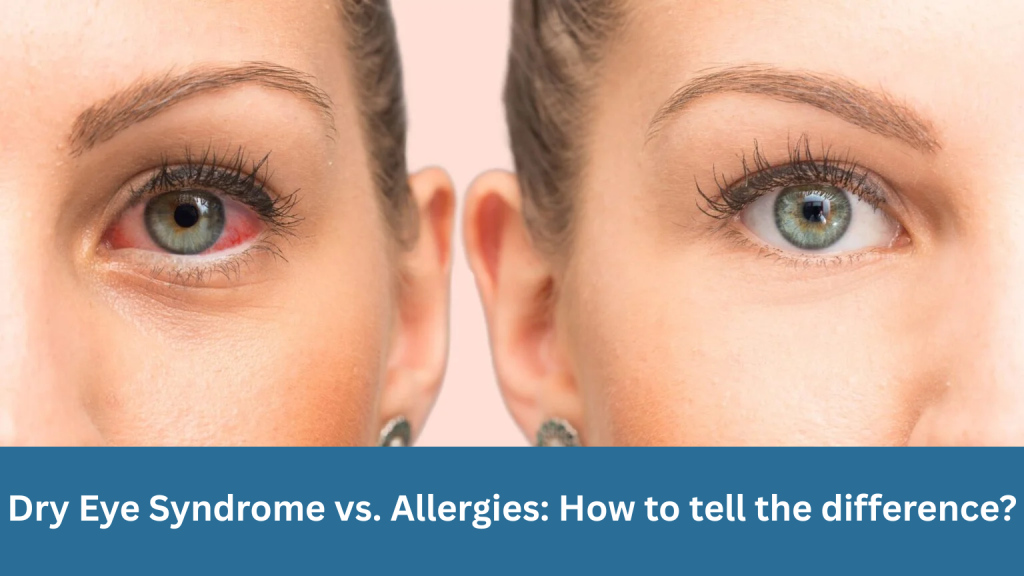
Although dry eye syndrome and eye allergies can share similar symptoms, they are two very different conditions. Understanding the subtle but important differences will help you identify what is really going on with your eyes and guide you towards the right treatment.
1. Itching vs. Burning
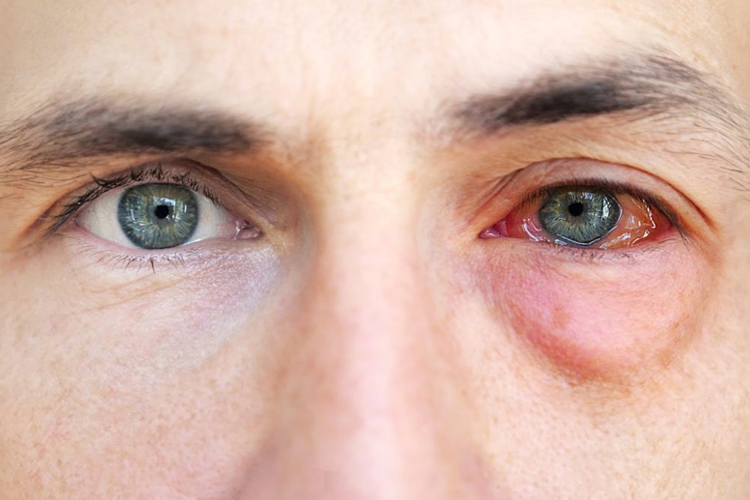
- Eye allergies: Itching is the hallmark sign. People with allergies often feel a strong urge to rub their eyes, which can make symptoms worse and cause more irritation. The itching tends to come on suddenly and is usually intense, particularly during peak pollen seasons or after exposure to dust or pets.
- Dry Eye Syndrome: Instead of itching, dry eyes more commonly cause a burning or stinging sensation. Some people describe it as having grit or sand in their eyes. This discomfort is typically ongoing rather than triggered by a specific allergen.
2. Triggers
- Eye allergies: Symptoms are often linked to external triggers such as pollen, pet dander, mould, or dust mites. They may be seasonal (for example, worse in spring or early summer) or persistent if you are frequently exposed to allergens indoors.
- Dry eye syndrome: Symptoms are more consistent throughout the year and connected to factors like ageing, hormonal changes, certain medications, or lifestyle habits such as prolonged screen time. Environmental factors like wind, dry weather, or air conditioning can also worsen dry eye symptoms.
3. Tear Production
- Eye Allergies: Allergies typically cause excessive watery eyes. This happens because your body releases histamine in response to allergens, triggering tear production as a defence mechanism.
- Dry Eye Syndrome: Dry eyes may paradoxically appear watery too. This occurs because the eyes try to compensate for dryness by producing reflex tears. However, these tears lack the normal lubrication quality and do not provide lasting relief.
Treatment options
For dry eye syndrome
Managing dry eye focuses on restoring moisture and protecting the tear film. Common strategies include:
- Artificial tears or lubricating eye drops: These provide immediate relief by supplementing natural tears.
- The 20-20-20 rule: Every 20 minutes, take a 20-second break and look at something 20 feet away to reduce digital strain.
- Protect your eyes from airflow: Avoid sitting directly in front of fans, heaters, or air conditioners, which speed up tear evaporation.
- Use a humidifier: Adding moisture to indoor air can ease dryness, especially in winter or air-conditioned environments.
- Professional treatments: For more severe cases, your eye specialist may recommend prescription drops, oral medication or supplementation, punctal plugs (to reduce tear drainage), or other advanced therapies.
For eye allergies
The goal with allergies is to calm the immune response and reduce exposure to allergens:
- Avoid allergens when possible: Identify and minimise contact with triggers like pollen, dust, or pet dander.
- Antihistamine or anti-allergy eye drops: These reduce itching, redness, and swelling by blocking the effects of histamine.
- Cool compresses: Applying a cold cloth or gel mask to the eyes can quickly soothe irritation.
- Pollen protection: Keep windows closed during high-pollen days, especially in spring. Consider wearing wraparound sunglasses outdoors for added protection.
- Post-outdoor care: Shower and change clothes after being outside to remove allergens from skin, hair, and clothing.
When to see an optometrist or ophthalmologist?
While mild cases of dry eye or allergies may improve with self-care or over-the-counter drops, it is important to seek professional help if:
- Symptoms do not improve after a week or two.
- You experience blurred or fluctuating vision.
- Eye pain, discharge, or significant redness develops.
- Discomfort interferes with daily activities such as reading, driving, or computer use.
An optometrist or ophthalmologist can run specific tests to confirm whether your symptoms stem from dry eye, allergies, or another eye condition such as an infection. Getting the right diagnosis means you will receive the most effective treatment and avoid unnecessary discomfort.
Conclusion
Dry eye syndrome and eye allergies are common conditions that can easily be confused, but they have different causes, patterns, and treatments. Allergies are more likely to involve itching and seasonal flare-ups, while dry eyes often cause burning, stinging, and year-round irritation related to lifestyle or ageing.
The key takeaway? Do not ignore persistent eye discomfort or self-diagnose. With professional assessment and tailored treatment, you can achieve long-term relief and maintain healthy, comfortable eyes. If you are struggling with ongoing eye discomfort, book a consultation with Dr. Parth Shah at Clarity Eye Surgeons in Canberra for expert diagnosis and personalised treatment.
Author bio
Dr Parth Shah is a leading ophthalmologist in Canberra, with a special interest in paediatric eye surgery. With extensive training and experience, he is renowned for his expertise in the field. Dr Shah is dedicated not only to performing successful surgeries but also to patient education. His compassionate approach, combined with technical proficiency, has earned him the trust and gratitude of countless patients. He is a true advocate for eye health and a trusted name in the Canberra ophthalmology community.