

Last Updated: 26 November, 2025
With years of dedicated experience in cataract management, Dr Parth Shah, a highly skilled ophthalmologist, has helped countless patients regain clear and sharp vision. Known for his precise surgical expertise, advanced diagnostic approach, and compassionate patient care, Dr Shah ensures every individual receives personalized, evidence-based treatment for the best possible visual outcomes.
Cataracts are one of the most common causes of vision loss, especially in adults over 50. They develop gradually, often going unnoticed until vision becomes significantly affected. However, recognising the early warning signs of cataracts is essential for maintaining good eye health and preventing avoidable visual impairment.
Here are the five early symptoms of cataracts that should never be ignored—explained with medical accuracy and practical advice.
1. Why does blurred or cloudy vision happen with cataracts?

Direct answer: Cataracts make the eye’s natural lens cloudy, causing hazy, foggy, or blurred vision, as if looking through a misted window.
Detailed explanation:
Under normal conditions, the lens of the eye is clear, allowing light to focus sharply on the retina. With cataracts, the proteins inside the lens begin to break down and clump together, forming a cloudy layer that scatters light. This disrupts the sharpness of images, resulting in blurred or distorted vision.
Early on, this may appear as mild haziness that worsens over time. Patients often find reading fine print, recognising faces, or seeing distant objects more difficult. Some may feel that their glasses “no longer work,” even after getting a new prescription. This progressive blur is one of the earliest and most reliable indicators of cataract formation.
Regular eye check-ups allow early detection and timely intervention—preventing further vision decline.
2. Why do colours start looking faded or yellowish?
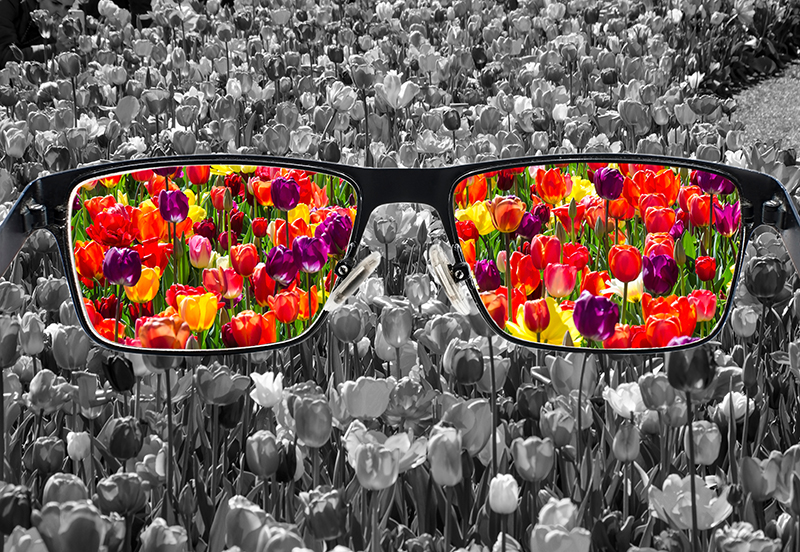
Direct answer: Cataracts cause the lens to gradually turn yellow or brown, filtering light and making colours look dull or faded.
Detailed explanation:
As the cataract develops, it changes the transparency and tone of the lens. The once-clear lens starts acting like a yellow filter, reducing the intensity of colours and making them appear muted. Patients often describe their surroundings as looking “washed out” or “sepia-toned.” Whites may seem cream-coloured, and blues or purples may lose their vibrancy.
This gradual change can affect daily life more than people realise. Reading coloured text, selecting matching clothing, or appreciating artwork becomes more difficult. When colours lose their clarity, it is a clear sign that the lens has started to age and cloud, and a professional evaluation is advised.
After cataract surgery, patients frequently express surprise at how bright and crisp colours appear again—proof of how much colour perception is altered before treatment.
3. Why do people see glare or haloes around lights at night?

Direct answer: Cataracts scatter light entering the eye, causing glare, haloes, or starburst effects around bright lights—especially noticeable while driving at night.
Detailed explanation:
Glare sensitivity is one of the most common and frustrating symptoms of cataracts. The clouded lens scatters light in multiple directions, making it difficult for the eye to focus clearly. As a result, bright lights such as headlights, streetlights, or sunlight may appear dazzling, with rings or haloes surrounding them.
This symptom is particularly problematic for night driving, where oncoming headlights can feel blinding and reduce reaction time. It also makes it challenging to read digital screens or go outdoors on sunny days without sunglasses.
People often compensate by avoiding night driving or using stronger lights indoors—but these are temporary adjustments, not solutions. Persistent glare or haloes around lights are clear indicators that it is time for a professional cataract assessment.
4. Why does my glasses prescription keep changing so often?

Direct answer: A frequently changing glasses prescription may indicate a developing cataract that is altering the eye’s focusing power.
Detailed explanation:
During the early stages of cataract formation, the lens becomes denser, changing how it bends light (refraction). This may temporarily improve near vision, a phenomenon known as “second sight.” However, as the cataract progresses, vision starts fluctuating—causing both near and distant objects to become blurry.
Patients often find that their prescription changes every few months, yet new glasses no longer provide clarity. This instability is not due to the glasses but to the structural changes inside the lens.
If vision continues to shift despite repeated prescription updates, it is an important sign to visit an ophthalmologist. Advanced diagnostic tools, such as slit-lamp examination and optical coherence tomography (OCT), can confirm whether cataracts are the cause.
5. Why does vision in one eye feel worse than the other?
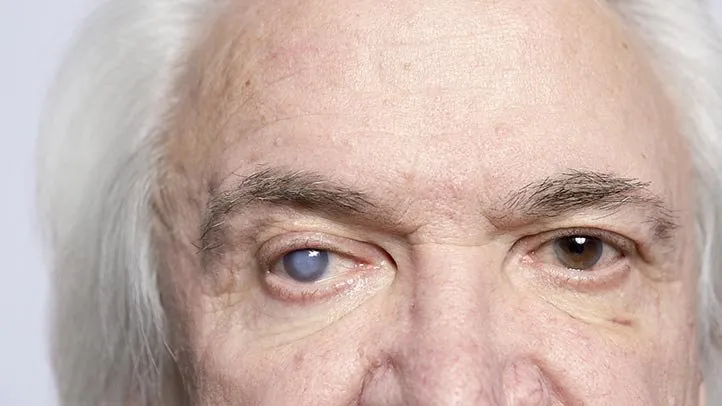
Direct answer: Cataracts often develop unevenly, causing one eye to experience more clouding and blurred vision than the other.
Detailed explanation:
It is common for cataracts to progress at different rates between the two eyes. When this happens, the brain receives two unequal images—one clear, one blurry—creating visual imbalance and strain. Patients may notice difficulty judging distances, reading, or performing tasks that require precise depth perception, such as pouring liquids or driving.
Because the brain adapts to gradual changes, many people do not notice the imbalance right away. Covering one eye during a vision test at home can often reveal how differently each eye is seeing.
Detecting asymmetry early allows timely treatment before both eyes are significantly affected. In most cases, cataract surgery restores balanced, clear, and coordinated vision once both eyes are treated appropriately.
When should someone see an eye specialist?
Anyone noticing blurred vision, faded colours, glare sensitivity, frequent prescription changes, or imbalance between the eyes should schedule an eye check-up as soon as possible.
At Dr Parth Shah’s Eye Clinic, patients benefit from comprehensive cataract assessments, advanced imaging, and personalised surgical planning. Dr Shah uses modern, minimally invasive surgical techniques and premium intraocular lenses (IOLs) to ensure optimal visual outcomes.
Cataract surgery is safe, highly effective, and restores not only vision but also confidence and independence. Early detection offers the best opportunity for excellent results and a quicker recovery.
Conclusion
Cataracts progress slowly but can have a profound impact on vision and quality of life. Recognising these early warning signs and seeking expert advice promptly can make all the difference. With advanced care and surgical precision, Dr Parth Shah helps patients regain the clarity and colour of the world they once enjoyed—safely, effectively, and with long-term results.
If you are experiencing any of these early cataract symptoms or changes in your vision, book a comprehensive eye assessment with Dr Parth Shah today. Early diagnosis and expert care can help preserve your sight and maintain your quality of life for years to come.
Author bio
Dr Parth Shah is a leading ophthalmologist in Canberra, specialising in cataract surgery. With extensive training and experience, he is renowned for his expertise in the field. Dr Shah is dedicated not only to performing successful surgeries but also to patient education. His compassionate approach, combined with technical proficiency, has earned him the trust and gratitude of countless patients. He is a true advocate for eye health and a trusted name in the Canberra ophthalmology community.