
Last Updated: 27 November, 2025
Dr Parth Shah, a highly experienced ophthalmologist based in Canberra, is renowned for his expertise in corneal, cataract, and refractive surgery. With extensive training and years of experience in managing complex corneal disorders, he combines advanced surgical techniques with evidence-based treatment to achieve outstanding outcomes. Patients trust Dr Shah for his precise diagnosis, personalised care, and commitment to preserving vision and long-term eye health, making him one of the most respected specialists in the field of ophthalmology.
What is the cornea and why is it so important?
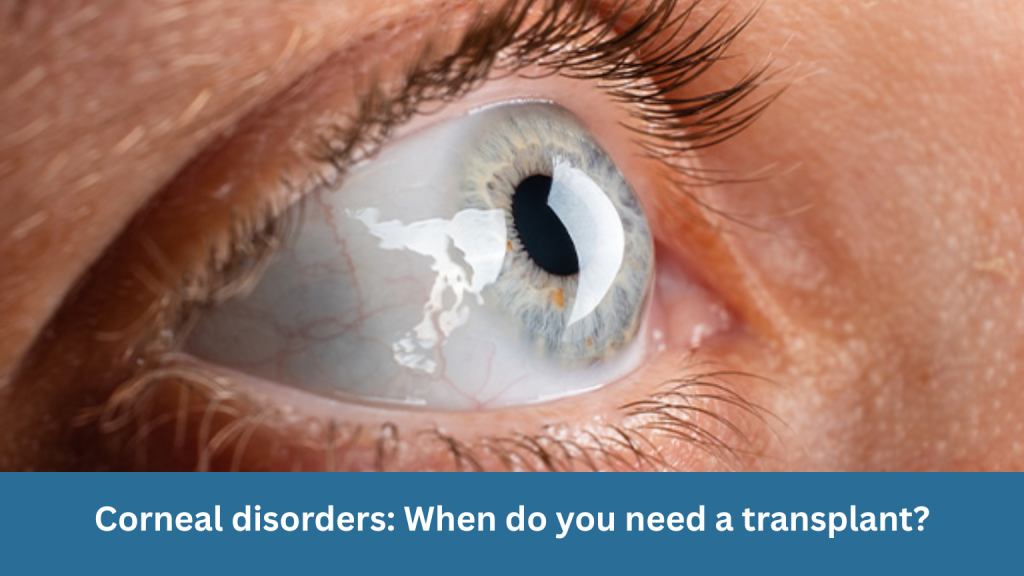
The cornea is the clear, dome-shaped front layer of the eye that focuses light onto the retina. Healthy corneas are essential for sharp vision. Even minor irregularities can cause blurred or distorted vision. When the cornea becomes cloudy, scarred, or misshapen due to disease or injury, vision can deteriorate significantly. In advanced cases, a corneal transplant may be required to restore sight.
What are the common corneal disorders that may need a transplant?
Several corneal conditions can affect vision and may require surgical intervention:
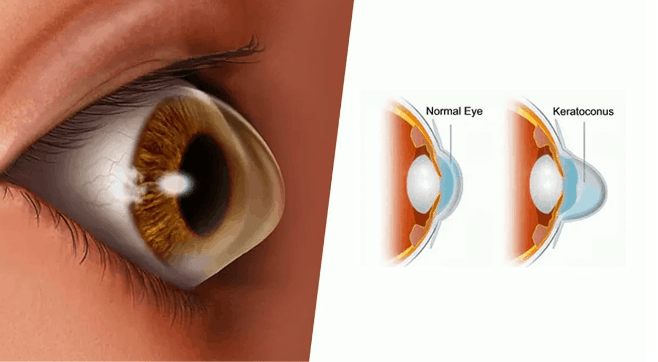
- Keratoconus – Progressive thinning and bulging of the cornea.
- Fuchs’ endothelial dystrophy – Fluid buildup causing corneal swelling.
- Corneal scarring – From infections, injuries, or prior surgery.
- Corneal oedema or decompensation – Swelling due to endothelial failure.
- Post-LASIK ectasia – Rare weakening of the cornea after laser surgery.
A transplant is usually considered when these conditions cannot be managed with glasses, contact lenses, or medications.
How does a doctor decide if a corneal transplant is needed?
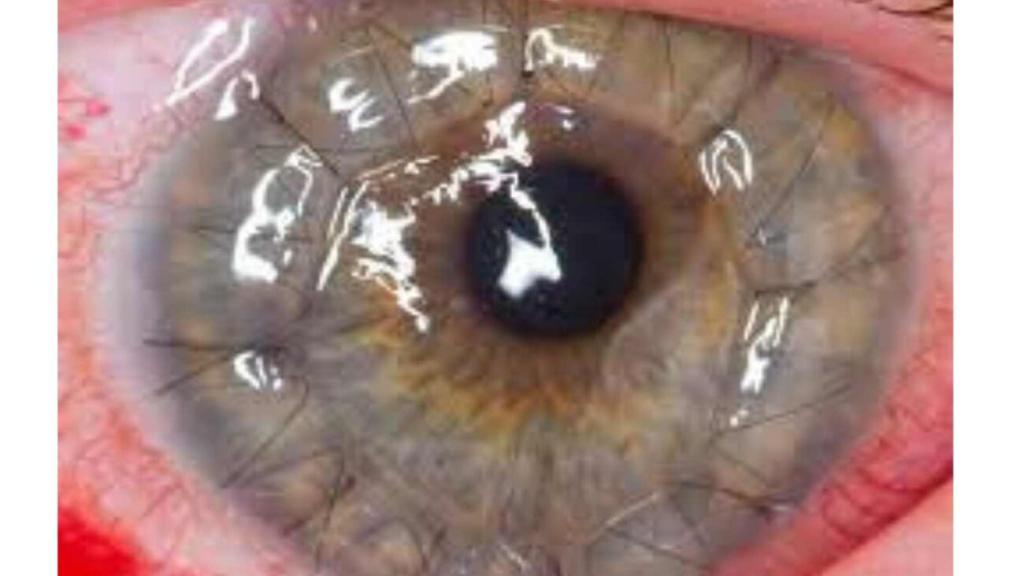
A corneal specialist recommends a transplant when the cornea is too damaged or irregular to restore vision using non-surgical treatments.
Decisions are based on:
- The severity of vision loss
- The underlying cause of corneal damage
- Whether alternative treatments like cross-linking or partial grafts are viable
Advanced imaging, including corneal topography and endothelial cell analysis, helps determine the best approach.
What are the different types of corneal transplants?
Corneal surgery is tailored to the layer of the cornea affected:
- Penetrating keratoplasty (PK) – Full-thickness transplant for deep scars or advanced disease.
- DMEK (Descemet’s membrane endothelial keratoplasty) – Minimally invasive, replacing only the innermost layer.
- DSEK/DSAEK – Replaces the endothelial layer with faster recovery than full-thickness grafts.
- Deep anterior lamellar keratoplasty (DALK) – Replaces front corneal layers while preserving the endothelium, suitable for keratoconus or superficial scarring.
Choosing the right technique improves outcomes and reduces recovery time.
What happens during and after a corneal transplant?
Surgery is usually performed under local anaesthesia, and most patients return home the same day.
During the procedure, the damaged cornea is removed and replaced with healthy donor tissue. Sutures hold the graft in place if needed. Post-operative care includes antibiotic and anti-inflammatory eye drops, regular follow-ups, and monitoring for signs of graft rejection. Vision improves gradually over weeks to months depending on the type of transplant.
What are the success rates and risks of corneal transplant?
Corneal transplantation has one of the highest success rates among organ transplants. Most patients experience significant vision improvement, particularly with newer techniques like DMEK and DALK.
Potential risks include:
- Graft rejection.
- Infection or inflammation.
- Astigmatism or irregular healing.
- Minor need for corrective lenses or laser adjustments.
Experienced surgeons and structured follow-up care minimise these risks and support long-term graft health.
Can corneal transplant be avoided in early stages?
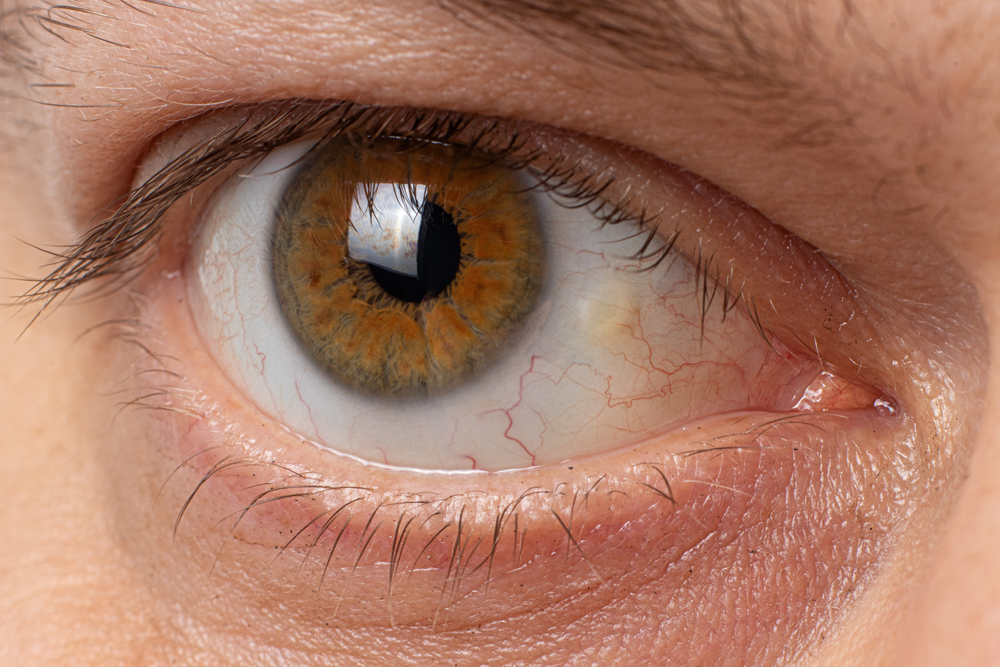
Early diagnosis can sometimes prevent the need for a transplant.
For conditions like keratoconus, corneal cross-linking can halt progression. In Fuchs’ dystrophy or mild corneal swelling, eye drops or partial-layer procedures may help maintain clarity. Timely intervention reduces the likelihood of major surgery and preserves vision.
When should you see a corneal specialist?
Seek evaluation if experiencing:
- Persistent blurred or hazy vision.
- Light sensitivity or glare.
- Rapidly changing prescription or irregular astigmatism.
- Recurrent infections or corneal scarring.
- Eye swelling or pain.
Early assessment helps prevent irreversible damage and ensures the best treatment options.
Conclusion
Corneal transplants can restore sight and improve quality of life for patients with advanced corneal disease. Expert care, precise diagnostics, and tailored surgical techniques offer high success rates and safe outcomes. Early intervention, regular monitoring, and timely treatment remain key to maintaining healthy vision and avoiding unnecessary surgery. For personalised advice and expert corneal care, book a consultation with Dr Parth Shah today and take the first step towards clearer vision.
Author bio
Dr Parth Shah is an experienced ophthalmologist in Canberra, Australia. With extensive training and experience, he is renowned for his expertise in the field. Dr Shah is dedicated not only to performing successful surgeries but also to patient education. His compassionate approach, combined with technical proficiency, has earned him the trust and gratitude of countless patients. He is a true advocate for eye health and a trusted name in the Canberra ophthalmology community.