Table of Contents
ToggleLast Updated: 17 June, 2026
For many Australians, driving is an essential part of everyday life. Whether it is commuting to work, doing the school run, or travelling around Canberra and surrounding regions, clear vision plays a critical role in staying safe on the road. Cataract surgery can dramatically improve vision, but one of the most common questions patients ask is: “When can I drive again after cataract surgery?”
The answer varies from person to person. While many patients recover quickly, it is important to prioritise safety and follow your ophthalmologist’s advice before getting back behind the wheel.
According to Dr Parth Shah, most patients experience a rapid improvement in vision after modern cataract surgery, although recovery and visual stability can differ between individuals.
Why cannot you drive immediately after cataract surgery?
You should not drive yourself home after cataract surgery. Even if your vision seems clearer straight away, your eye is still recovering, and you may have lingering effects from sedation or dilating drops.
Immediately after surgery, you may experience:
- Blurry or fluctuating vision.
- Light sensitivity.
- Glare or haloes around lights.
- Mild discomfort or irritation.
- Reduced depth perception.
These temporary effects can make driving unsafe, especially in traffic, at night, or during poor weather conditions.
When is it usually safe to drive again?
Many patients are able to resume driving 1 week after cataract surgery. However, this is not a fixed rule.
Your ability to drive depends on several factors, including:
- How quickly your eye heals.
- The quality of your vision after surgery.
- Whether you had surgery in one or both eyes.
- Your comfort with glare and brightness.
- Whether you meet Australian legal vision requirements
At your follow-up appointment, your ophthalmologist will examine your eye and confirm whether it is safe for you to drive again.
Australian driving vision requirements
In Australia, drivers must meet minimum eyesight standards to legally drive. This includes having adequate:
- Visual acuity.
- Peripheral vision.
- Contrast sensitivity.
Even if you personally feel ready to drive, you should wait until your ophthalmologist confirms that your vision meets these standards.
This is especially important if:
- You previously relied heavily on glasses.
- You had significant cataracts before surgery.
- You are experiencing glare or double vision.
- You have other eye conditions such as glaucoma or macular degeneration.
Signs you may not be ready to drive yet
You should avoid driving if you notice any of the following symptoms:
- Persistent blurry vision.
- Difficulty judging distances.
- Increased glare from headlights.
- Double vision.
- Eye pain or redness.
- Sensitivity to sunlight.
- Feeling uncertain or uncomfortable while driving.
Night driving may take longer to feel comfortable, even after daytime vision improves.
Tips for returning to driving safely
Once your ophthalmologist confirms you can drive, ease back into it gradually.
Start with short daytime trips
Begin with familiar roads during daylight hours and in good weather conditions.
Avoid busy traffic initially
Heavy traffic and fast-moving roads can feel overwhelming during the early recovery period.
Wear sunglasses outdoors
Your eyes may be more sensitive to sunlight after surgery. Polarised sunglasses can help reduce glare and improve comfort.
Keep using your eye drops
Continue using prescribed eye drops exactly as instructed to support healing and reduce inflammation.
Be cautious with night driving
Headlights and bright lights may appear more intense for a short period after surgery. Take extra care until your vision fully stabilises.
What if you had surgery in both eyes?
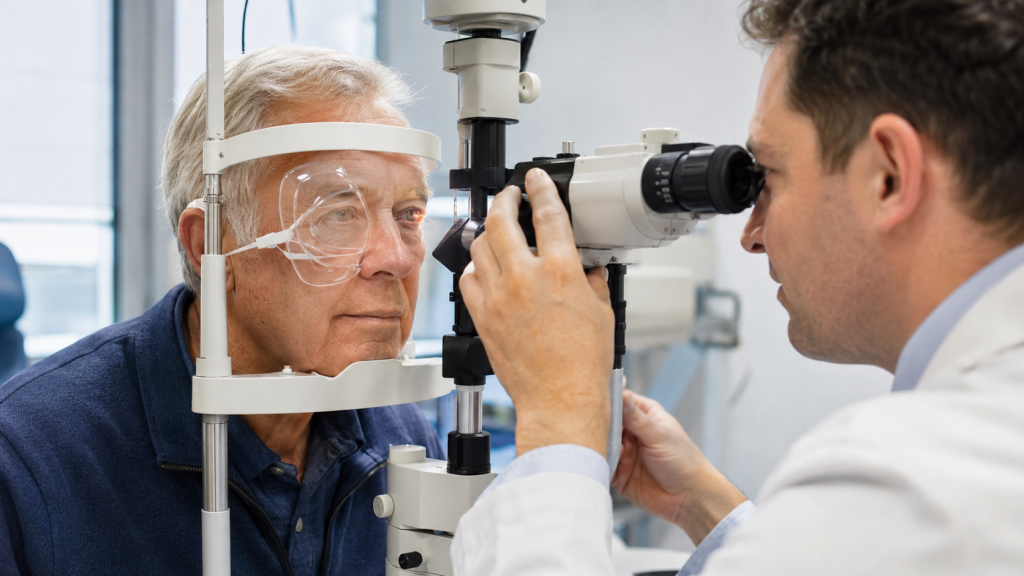
If you are having cataract surgery in both eyes, your recovery timeline may differ slightly depending on whether the procedures were performed separately or close together.
Some patients notice temporary imbalance between the eyes after the first surgery, particularly if one eye still has a cataract. This can briefly affect depth perception and driving confidence.
Your ophthalmologist will guide you regarding the safest time to resume driving between procedures.
How long does vision take to fully stabilise?
Although many people see better within days, complete healing can take several weeks.
During this period, your glasses prescription may also change slightly as your eyes settle.
When to contact your ophthalmologist urgently?
Seek immediate medical attention if you experience:
- Sudden vision loss.
- Increasing pain.
- Severe redness.
- Flashing lights or floaters.
- Significant worsening of vision.
These symptoms are uncommon but may indicate complications that require urgent treatment.
Conclusion
Cataract surgery is one of the safest and most successful procedures performed in Australia today, with many patients enjoying clearer and brighter vision soon afterwards. However, returning to driving should never be rushed.
Most patients can safely resume driving after 1 week, but the timing depends on individual healing and visual recovery. The safest approach is to wait until your ophthalmologist confirms your vision is stable and meets Australian driving standards.
If you are considering cataract surgery or have questions about recovery, Dr Parth Shah provides personalised, patient-centred eye care with expertise in modern cataract surgery and post-operative recovery guidance. Book a consultation with Dr Parth Shah today to receive expert advice, comprehensive eye assessments, and tailored cataract treatment designed to help you return to clear, confident vision safely.
Author Bio
Dr Parth Shah is a leading ophthalmologist in Canberra, specialising in cataract surgery. With extensive training and experience, he is renowned for his expertise in the field. Dr Shah is dedicated not only to performing successful surgeries but also to patient education. His compassionate approach, combined with technical proficiency, has earned him the trust and gratitude of countless patients. He is a true advocate for eye health and a trusted name in the Canberra ophthalmology community.
FAQs
Some patients may no longer need glasses for certain activities after cataract surgery, depending on the type of intraocular lens used. However, others may still require glasses for reading, distance vision, or night driving.
Yes, many patients notice significant improvements in night driving after cataract surgery because the procedure can reduce glare, haloes, and blurred vision caused by cataracts.
Your ophthalmologist may advise waiting until your eye has completely healed before wearing contact lenses again. The timing varies depending on your recovery and eye condition.
Yes, mild fluctuations in vision during the early recovery period are common as the eye heals and adjusts after surgery.
Most patients can travel within a few days after surgery, but it is important to avoid activities that may strain the eyes and to attend all follow-up appointments as advised by your ophthalmologist.
Yes, many patients require an updated glasses prescription once the eye has fully healed, usually a few weeks after surgery.
Cataracts cannot return once removed. However, some patients may develop clouding behind the artificial lens, known as posterior capsular opacification, which can be treated easily with a laser procedure.
Some patients may temporarily notice differences in vision between the treated and untreated eye, which can affect balance or depth perception until both eyes are adjusted or treated.
Premium intraocular lenses may help reduce dependence on glasses and improve vision at different distances, which can benefit some drivers. Your ophthalmologist can recommend the most suitable lens option for your lifestyle.