Last Updated: 26 November, 2025
With years of specialised surgical experience, Dr Parth Shah, a leading ophthalmologist in Canberra, is recognised for his precision, compassion, and commitment to restoring and preserving vision. Having successfully performed thousands of microsurgical and laser-based eye procedures, Dr Shah combines advanced technology with patient-centred care to ensure optimal outcomes. His expertise in minimally invasive eye surgery reflects a dedication to innovation, safety, and excellence — helping patients achieve clearer vision and a faster, more comfortable recovery.
What is minimally invasive eye surgery?
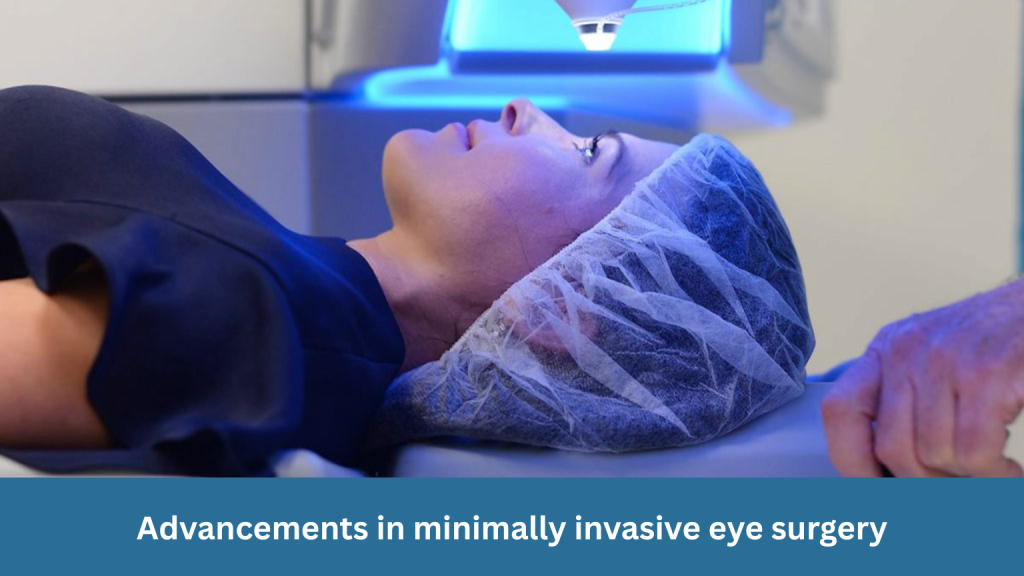
Minimally invasive eye surgery involves performing delicate eye operations through very small incisions, typically less than 2 millimetres wide, using microsurgical instruments, advanced imaging systems, and laser technology.
This technique reduces tissue trauma, speeds up recovery, and lowers the risk of complications. For example, modern micro-incision phacoemulsification cataract surgery allows the removal of a cloudy lens through a microscopic opening, which is then replaced with an artificial intraocular lens (IOL).
Compared to older, larger-incision methods, these modern approaches significantly improve comfort, accuracy, and visual recovery time.
How has cataract surgery become more precise and safer?
Cataract surgery has evolved dramatically with the introduction of femtosecond laser-assisted systems and micro-incision techniques. These technologies automate and refine key surgical steps, such as corneal incision and lens fragmentation, achieving levels of precision beyond what manual methods can provide.
When combined with real-time image guidance through Optical Coherence Tomography (OCT), surgeons can customise each procedure to the patient’s unique eye anatomy. The results include:
- Faster visual rehabilitation.
- Reduced inflammation.
- Lower infection risk.
- Improved accuracy of lens positioning.
This combination of technology and technique ensures safer procedures and more predictable visual outcomes.
What role does laser technology play in modern eye surgery?
Laser technology plays a central role in today’s minimally invasive eye procedures. In cataract and refractive surgeries, femtosecond and excimer lasers enable precise tissue manipulation — reshaping the cornea or softening the lens with exceptional accuracy.
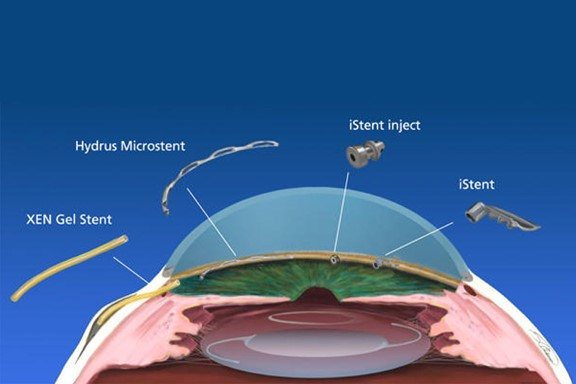
In glaucoma treatment, minimally invasive glaucoma surgery (MIGS) uses tiny stents and laser systems to enhance fluid drainage and reduce intraocular pressure without major incisions. These methods provide effective, low-risk alternatives to traditional filtration surgery and allow patients to return to normal activities sooner.
What are the benefits of minimally invasive eye surgery for patients?

Patients undergoing minimally invasive eye surgery experience several important benefits:
- Smaller incisions: Minimised tissue trauma and faster healing.
- Less discomfort: Advanced anaesthetic and surgical precision reduce pain.
- Faster recovery: Most patients regain functional vision within days.
- Improved safety: Lower risk of infection and inflammation.
- Accurate outcomes: Image-guided technology ensures optimal precision.
Together, these benefits provide an enhanced overall experience and lasting visual improvement.
Which eye conditions can be treated using minimally invasive techniques?
Minimally invasive eye surgery is suitable for a range of eye conditions, including:
- Cataracts: Removal using laser or micro-incision phacoemulsification.
- Glaucoma: Management through MIGS using micro-stents or laser trabeculoplasty.
- Strabismus: Eye alignment correction using fine suture adjustments.
- Retinal disorders: Vitrectomy with micro-gauge instruments for retinal repair.
- Paediatric eye conditions: Gentle surgical approaches tailored to developing eyes.
These methods minimise disruption to surrounding tissues while maintaining surgical precision and stability.
What technologies are shaping the future of minimally invasive eye surgery?
Several technological advancements are shaping the next generation of minimally invasive eye surgery, including:
- 3D visualisation systems: Provide greater depth and detail during surgery.
- Robotic-assisted devices: Enable ultra-precise, stable movements.
- Artificial intelligence (AI): Assists in diagnostics, planning, and outcome prediction.
- Enhanced intraocular lenses (IOLs): Offer improved clarity and independence from glasses.
These innovations are transforming the surgical experience, ensuring that each procedure is safer, more predictable, and more patient-specific.
Why is minimally invasive eye surgery considered the future of ophthalmology?
Minimally invasive techniques align perfectly with modern medical priorities — faster recovery, reduced discomfort, and better long-term outcomes. Patients benefit from improved visual results and shorter downtime, while surgeons achieve higher accuracy and control through technological integration.
With continuous advancements in imaging, instrumentation, and AI-driven analysis, minimally invasive surgery will continue to evolve as the gold standard in ophthalmic care.
Conclusion
Minimally invasive eye surgery has redefined what is possible in modern vision correction. By combining cutting-edge technology with refined surgical expertise, today’s ophthalmologists are able to deliver life-changing results with greater precision and comfort than ever before.
Patients can now look forward to clearer vision, quicker recovery, and the confidence that comes from knowing their eyes are treated with the safest and most advanced techniques available. Book a consultation with Dr Parth Shah today to explore how advanced minimally invasive eye surgery can help you achieve clearer, healthier vision.
Author bio
Dr Parth Shah is an experienced ophthalmologist in Canberra, Australia. With extensive training and experience, he is renowned for his expertise in the field. Dr Shah is dedicated not only to performing successful surgeries but also to patient education. His compassionate approach, combined with technical proficiency, has earned him the trust and gratitude of countless patients. He is a true advocate for eye health and a trusted name in the Canberra ophthalmology community.