
Last Updated: 29 April, 2025
Cataracts are a common age-related condition, leading to blurry vision, difficulty in seeing at night, and a gradual decline in overall visual quality. Early cataract surgery, performed before the cataract severely impairs vision, offers several compelling advantages. Below are 10 detailed reasons why early cataract surgery is a proactive approach to maintaining eye health.
- Better visual outcomes
- Quicker recovery times
- Lower risk of complications
- Prevention of other eye conditions.
- Maintained independence.
- Improved night vision.
- Less discomfort and eye strain.
- Prevents depression and anxiety.
- Preservation of depth perception.
- Boost in overall quality of life.
1. Better visual outcomes
When cataracts are removed at an early stage, the natural lens remains relatively soft and easier to break apart and extract. This results in a more straightforward and efficient procedure. Patients who undergo surgery early tend to have more predictable and successful visual outcomes, including sharper vision and a lower chance of needing corrective eyewear after surgery.
Early intervention prevents the need to adjust daily habits around poor eyesight, and patients can experience immediate improvements in their ability to read, watch television, and recognise faces.
2. Quicker recovery time
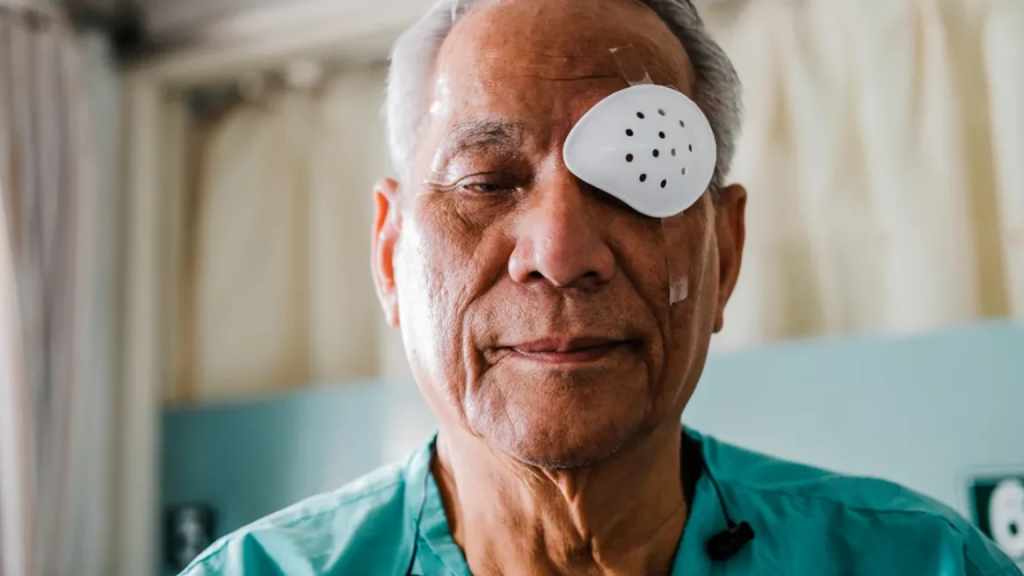
Cataracts become denser as they progress, making the surgery more complicated and the recovery process longer. Early surgery involves removing a softer cataract, which makes the procedure smoother for the surgeon and less taxing on the eye. This leads to shorter recovery times, allowing patients to resume their normal routines much faster, with fewer post-operative issues.
3. Lower risk of complications
As cataracts mature, they can lead to additional eye problems, such as increased intraocular pressure or other structural complications that make surgery more complex. Early cataract surgery reduces the risk of inflammation, post-operative infection, or prolonged healing periods. The earlier the intervention, the fewer complications patients typically experience during and after surgery.
4. Prevention of other eye conditions
Cataracts that are left untreated can increase the risk of developing other serious eye conditions, such as glaucoma or retinal damage. Cataracts cause pressure to build within the eye, contributing to glaucoma, a condition that can cause irreversible vision loss. Early cataract surgery reduces the likelihood of these conditions developing, protecting the overall health of the eye.
5. Maintained independence
For many patients, vision loss means becoming increasingly reliant on others for daily tasks like driving, shopping, or even moving around the house safely. Early cataract surgery helps patients maintain their independence by restoring clear vision. This allows them to continue performing everyday activities and retain a sense of autonomy, which is particularly important for older individuals.
6. Improved night vision

Cataracts often lead to poor night vision, making activities such as driving or walking in low-light conditions more dangerous. Patients with cataracts may experience glare or halos around lights at night, further impairing their ability to see clearly. Early surgery helps restore night vision before it becomes a serious safety concern, allowing individuals to drive and move around at night without fear of accidents.
7. Less discomfort and eye strain
As cataracts worsen, patients often experience eye strain and discomfort. Simple tasks like reading or watching TV can cause headaches, eye fatigue, and excessive squinting. Early cataract surgery eliminates the need for patients to strain their eyes to see clearly. This reduces physical discomfort and allows for a more comfortable visual experience.
8. Less depression and anxiety
Losing vision can have a profound emotional impact on patients, leading to feelings of frustration, anxiety, or even depression. The inability to engage in social activities, drive, or participate in hobbies can cause social isolation. Early cataract surgery not only restores vision but also helps prevent the emotional toll that poor eyesight can have. Patients often feel more confident and optimistic after regaining their vision.
9. Preservation of depth perception
Cataracts can impair depth perception, making it difficult to judge distances accurately. This can lead to problems with mobility, such as difficulty walking up or down stairs, or an increased risk of falls. Early cataract surgery can restore proper depth perception, which improves mobility and reduces the chances of accidents, particularly in older patients who are more vulnerable to falls.
10. Boost in overall quality of life

Clear vision enhances nearly every aspect of life, from professional productivity to personal enjoyment. Early cataract surgery allows patients to engage more fully in activities they love, from hobbies like reading and gardening to spending quality time with family and friends. This boost in overall quality of life is one of the most compelling reasons to consider early cataract surgery, as it restores the ability to live life fully and independently.
Conclusion
Early cataract surgery provides numerous benefits, from improved vision and faster recovery to a reduced risk of developing other serious eye conditions. By choosing early intervention, you can maintain your independence, enjoy a better quality of life, and prevent the complications that come with advanced cataracts.
Dr Parth Shah is committed to delivering high-quality eye care with a personalised approach. If you are starting to notice signs of cataracts, now is the time to act. Contact us today to schedule a consultation and learn how early cataract surgery can help you protect your vision and well-being for years to come.
Author bio
Dr Parth Shah is a leading ophthalmologist in Canberra, specialising in cataract surgery. With extensive training and experience, he is renowned for his expertise in the field. Dr Shah is dedicated not only to performing successful surgeries but also to patient education. His compassionate approach, combined with technical proficiency, has earned him the trust and gratitude of countless patients. He is a true advocate for eye health and a trusted name in the Canberra ophthalmology community.
FAQs