
Last Updated: 2 September, 2025
Glaucoma, often called the “silent thief of sight,” can develop quietly, leading to vision loss before noticeable symptoms arise. Understanding the different types of glaucoma is essential for early detection and effective management. This blog explores the various forms of glaucoma, their symptoms, potential causes, and available treatment options, helping you stay informed and proactive about eye health.
- Primary Open-Angle Glaucoma (POAG).
- Angle-Closure Glaucoma.
- Normal-Tension Glaucoma (NTG).
- Congenital Glaucoma.
- Secondary Glaucoma.
- Pigmentary Glaucoma.
- Exfoliation Syndrome (Pseudoexfoliative Glaucoma).
1. Primary Open-Angle Glaucoma (POAG)
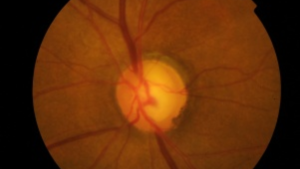
The most common type of glaucoma, POAG, develops gradually over time as the eye’s drainage canals become clogged, leading to increased intraocular pressure (IOP).
Symptoms:
- Gradual loss of peripheral vision.
- No early symptoms, making regular check-ups crucial.
Causes:
- Reduced drainage of aqueous humor.
- Genetic predisposition.
Diagnosis:
- Comprehensive eye exam including tonometry (measuring IOP), visual field testing, and optic nerve imaging.
Treatment:
- Medications: eye drops to lower IOP.
- Laser therapy (SLT)
- Surgical interventions in advanced cases.
2. Angle-Closure Glaucoma
Also known as narrow-angle glaucoma, this condition occurs when the iris blocks the drainage angle, leading to a sudden increase in IOP.
Symptoms:
- Severe eye pain.
- Blurred vision.
- Headache, nausea, and vomiting.
Causes:
- Anatomical predisposition (common in far- or long-sighted individuals).
- Rapid dilation of the pupil.
Diagnosis:
- Gonioscopy (to assess the drainage angle).
- IOP measurement during an acute attack
Treatment:
- Immediate medical attention is required.
- Laser peripheral iridotomy to create a new drainage pathway.
- Lens extraction / cataract surgery.
3. Normal-Tension Glaucoma (NTG)
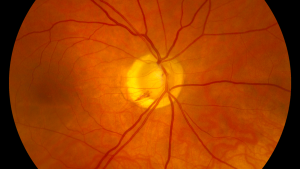
In NTG, optic nerve damage occurs even though IOP levels are within the normal range.
Symptoms:
- Gradual vision loss.
- Often detected during routine eye exams.
Causes:
- Poor blood flow to the optic nerve.
- Vascular conditions like migraines, low blood pressure, sleep apnoea, genetic predisposition.
Diagnosis:
- Visual field test and optic nerve imaging.
- Assessment of vascular health.
Treatment:
- Managing systemic risk factors like migraine and sleep apnoea.
- Lowering IOP further through eye drop medications, laser treatment and surgery.
- Monitoring and managing vascular health.
4. Congenital Glaucoma
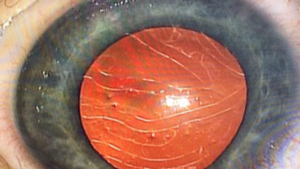
A rare form of glaucoma that occurs in infants and young children due to abnormal development of the eye’s drainage system.
Symptoms:
- Cloudy corneas.
- Excessive tearing.
- Sensitivity to light.
Causes:
- Genetic mutations.
- Developmental issues affecting the front of the eye.
Diagnosis:
- Clinical evaluation of the infant’s eye by a paediatric ophthalmologist.
- Examination under anaesthesia if needed.
Treatment:
- Medical treatment (eye drops).
- Surgical intervention is often required.
- Early diagnosis is key to preserving vision.
5. Secondary Glaucoma
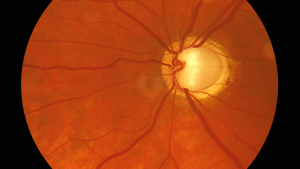
This type arises as a complication of another condition or injury.
Symptoms:
- Vary depending on the underlying cause.
- Vision loss may occur if untreated.
Causes:
- Eye injuries.
- Inflammation (uveitis).
- Steroid use – e.g. eye drops, nasal sprays, puffers.
Diagnosis:
- Identifying and addressing the underlying condition.
- Measuring IOP and optic nerve health.
Treatment:
- Treat the underlying condition.
- Medications, laser therapy, or surgery for IOP management.
6. Pigmentary Glaucoma
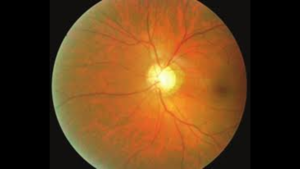
This occurs when pigment granules from the iris accumulate in the eye’s drainage system, disrupting fluid outflow.
Symptoms:
- Blurred vision after exercise.
- Halos around lights.
Causes:
- Genetic predisposition.
- Physical activities that release iris pigment.
Diagnosis:
- Gonioscopy to detect pigment dispersion.
- Examination for pigment deposits on the corneal endothelium.
Treatment:
- Medications to reduce IOP.
- Laser therapy to enhance drainage.
- Surgical treatment in advanced cases).
7. Exfoliation Syndrome (Pseudoexfoliative Glaucoma)
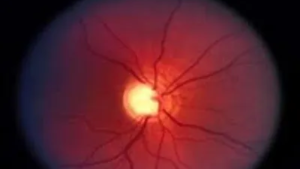
This form of glaucoma is associated with the accumulation of flaky material on the lens, which clogs the drainage system.
Symptoms:
- Elevated IOP.
- Gradual vision loss.
Causes:
- Age-related factors.
- Genetic predisposition.
Diagnosis:
- Observation of exfoliative material on the lens.
- Tonometry and optic nerve assessment.
Treatment:
- Medications, laser therapy, or surgery.
Importance of regular eye exams
Since glaucoma often progresses without noticeable symptoms, regular eye examinations are critical. Comprehensive exams can detect increased IOP and early signs of optic nerve damage, allowing for timely treatment.
Conclusion
Understanding the different types of glaucoma is essential for early detection and effective management. Whether you are experiencing symptoms or need a routine check-up, my practice in Canberra is here to help you maintain optimal eye health.
Author bio
Dr Parth Shah is an experienced ophthalmologist in Canberra, Australia. With extensive training and experience, he is renowned for his expertise in the field. Dr Shah is dedicated not only to performing successful surgeries but also to patient education. His compassionate approach, combined with technical proficiency, has earned him the trust and gratitude of countless patients. He is a true advocate for eye health and a trusted name in the Canberra ophthalmology community.
FAQs