
Last Updated: 31 January, 2026
Astigmatism is a common vision condition that affects how the eye focuses light. It occurs when the cornea or lens of the eye has an irregular shape, preventing light from focusing properly on the retina. While many people are born with astigmatism, it is natural to wonder—can astigmatism get worse over time? And if so, what causes it to worsen?
As an ophthalmologist based in Canberra, many patients present with concerns about changes in their vision. This blog explores the factors that can cause astigmatism to worsen and outlines practical steps to manage the condition effectively.
Understanding astigmatism
Astigmatism is caused by an uneven curvature of the cornea (the clear front surface of the eye) or sometimes the lens inside the eye. Instead of being shaped like a basketball, the cornea in someone with astigmatism is shaped more like a rugby ball. This irregular shape causes blurred or distorted vision at all distances.
Astigmatism is often accompanied by other refractive errors such as myopia (short-sightedness) or hyperopia (long-sightedness).
Types of astigmatism
Astigmatism can vary widely among individuals, depending on where the irregular curvature occurs and how the eye focuses light. Understanding the different types of astigmatism helps patients recognise why prescriptions differ and why some cases progress faster than others.
1. Corneal Astigmatism:
This is the most common type and occurs when the cornea—the clear front surface of the eye—has an uneven curvature. Since the cornea is responsible for most of the eye’s focusing power, even a small irregularity can lead to significant visual distortion.
2. Lenticular Astigmatism:
Here, the irregular curvature is in the lens inside the eye rather than the cornea. This type often becomes more noticeable with age, as natural changes in the lens structure can worsen refractive errors over time.
3. With-the-Rule Astigmatism:
In this pattern, the cornea is steeper vertically than horizontally. It is more common in children and young adults and often becomes less pronounced with age.
4. Against-the-Rule Astigmatism:
In this type, the cornea is steeper horizontally. It tends to increase with ageing, especially after the age of 40, due to natural tissue changes.5. Mixed Astigmatism:
This occurs when one meridian of the eye is nearsighted and the other is farsighted. It can cause significant visual distortion at all distances.
What causes astigmatism to worsen?
1. Natural eye growth and aging
As we age, the shape and flexibility of the eye can change. Children and teenagers may experience worsening astigmatism as their eyes grow. In adults, especially over the age of 40, the lens inside the eye can lose elasticity, leading to visual changes that may exacerbate astigmatism.
Tip: Regular eye exams help track these natural changes and ensure your prescription remains accurate.
2. Eye injuries or trauma
Trauma to the eye can alter the shape of the cornea or lens, leading to sudden or progressive astigmatism. Scarring or irregular healing after an injury can cause the cornea to become misshapen.
Tip: Always wear protective eyewear during sports or high-risk activities to prevent eye injuries.
3. Keratoconus and other corneal diseases
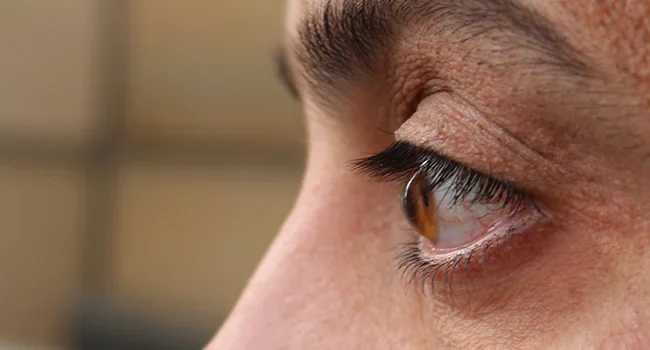
Keratoconus is a progressive eye disease in which the cornea thins and bulges into a cone shape. This condition significantly worsens astigmatism and can severely impair vision if not diagnosed and managed early.
Tip: If your astigmatism changes rapidly, it may indicate an underlying corneal issue. See your ophthalmologist promptly.
4. Incorrect or infrequent use of corrective lenses
Wearing outdated prescriptions or avoiding corrective lenses altogether can strain your eyes. While this does not directly worsen astigmatism structurally, it can lead to more noticeable symptoms like headaches, eye fatigue, and blurry vision.
Tip: Update your glasses or contact lenses as prescribed and attend regular eye check-ups.
5. Post-surgical changes
Certain eye surgeries, especially those involving the cornea (like cataract surgery or LASIK), may alter the curvature of the cornea and affect astigmatism. While most surgical outcomes are stable, in some cases astigmatism may worsen slightly post-surgery.
Tip: Choose a highly experienced eye surgeon and follow all pre- and post-operative care instructions carefully.
6. Frequent eye rubbing
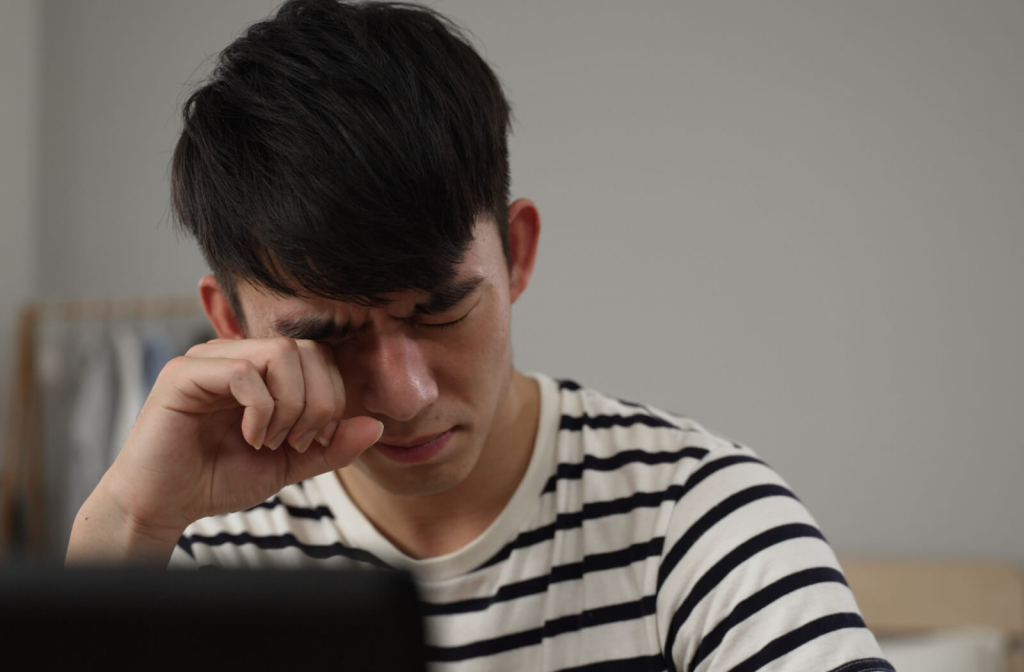
People who rub their eyes frequently, often due to allergies or dry eyes, may contribute to the weakening or distortion of the cornea over time. This repetitive pressure can make astigmatism worse or even contribute to the development of conditions like keratoconus.
Tip: Avoid rubbing your eyes. If irritation persists, consult an ophthalmologist for proper management.
7. Genetics and family history
While you cannot change your genetics, it is important to understand that a family history of astigmatism, myopia, or corneal diseases may increase your risk of developing more severe astigmatism.
Tip: Children with a family history of vision problems should have early and regular eye exams.
How to manage worsening astigmatism?
- Routine eye exams: Early detection allows for timely intervention.
- Accurate prescriptions: Keep your glasses or contact lenses updated.
- Specialised contact lenses: Toric or rigid gas permeable lenses can correct more significant astigmatism.
- Refractive surgery: In selected cases, LASIK or other refractive surgeries can help correct astigmatism.
- Advanced corneal treatments: For conditions like keratoconus, treatments like corneal cross-linking or specialty lenses may be recommended.
How lifestyle habits affect astigmatism?
While lifestyle habits may not physically reshape the cornea, they can significantly worsen the symptoms of astigmatism or accelerate its progression when combined with other risk factors.
- Screen habits: long hours of screen use can lead to dryness and fatigue, making astigmatism-related blurriness more noticeable. Poor ergonomics—such as reading too close, working in dim lighting, or maintaining an improper posture—place extra strain on the eyes.
- Allergies: managing allergies is also crucial, as itching often leads to frequent eye rubbing—a known contributor to progressive corneal distortion and even keratoconus.
- Sleeping posture: sleeping face-down or pressing your face against a pillow can subtly distort the cornea over time, especially in people already prone to astigmatism.
- Poor contact lens use: contact lens overuse, especially wearing them for extended hours or sleeping in them, can reduce oxygen supply to the cornea. This may cause temporary swelling or warping, worsening blurry vision.
Healthy habits such as using lubricating drops, taking screen breaks, and protecting eyes from UV exposure can significantly reduce discomfort and maintain stable vision.
When to see an eye specialist?
If you notice any of the following, book an appointment with your ophthalmologist:
- Sudden or frequent changes in vision.
- Distorted or blurred vision at all distances.
- Difficulty with night vision.
- Headaches or eye strain.
Conclusion
Astigmatism is a manageable condition, but staying informed and proactive is key. While it can worsen due to age, health conditions, or eye injury, timely diagnosis and proper care can protect your vision.
If you are concerned about worsening astigmatism or need a comprehensive eye exam, feel free to book an appointment today.
Author bio
Dr Parth Shah is an experienced ophthalmologist in Canberra, specialising in cataract surgery. With extensive training and experience, he is renowned for his expertise in the field. Dr Shah is dedicated not only to performing successful surgeries but also to patient education. His compassionate approach, combined with technical proficiency, has earned him the trust and gratitude of countless patients. He is a true advocate for eye health and a trusted name in the Canberra ophthalmology community.