
Last Updated: 3 January, 2026
Dr Parth Shah, a highly experienced ophthalmologist in Australia, has spent years diagnosing and managing complex eye conditions. Flashes and floaters in vision are common complaints among patients, but while they are often harmless, they can sometimes indicate serious retinal issues. Leveraging advanced diagnostic tools, surgical expertise, and years of clinical experience, Dr Shah helps patients understand when these visual disturbances are normal and when they require urgent attention.
What are flashes and floaters in vision?
Flashes appear as brief bursts, streaks, or sparks of light in a person’s vision. They are often most noticeable in the peripheral visual field and may be more pronounced in dim lighting or when eyes move suddenly. Floaters, on the other hand, are small, shadowy shapes such as dots, cobweb-like strands, or squiggly lines that drift across the visual field.
Floaters typically occur when the vitreous gel inside the eye shrinks or becomes more liquid with age. As the gel moves, it casts shadows on the retina, producing the perception of floaters. While these changes are common in adults over 50, they can also appear in younger individuals, particularly those who are nearsighted or have experienced eye trauma.
When should a person be concerned about flashes?
Flashes are usually harmless if they appear occasionally and have been present for a long time. However, patients should be concerned and seek prompt medical attention if:
- Flashes appear suddenly or increase in intensity.
- They are persistent or more frequent than usual.
- They are accompanied by new floaters or a shadow in the visual field.
Sudden, bright flashes may indicate vitreous traction on the retina or, in severe cases, a retinal tear. Left untreated, retinal tears can progress to retinal detachment, which may cause permanent vision loss.
When are floaters a warning sign?
Most floaters are benign and stable over time, especially if they have been present for years. However, floaters can signal serious problems when they:
- They appear suddenly in large numbers.
- Increase rapidly in frequency or size.
- Are accompanied by flashes of light.
- Produce a shadow or curtain effect in the vision.
These warning signs may indicate retinal tears, retinal detachment, or bleeding in the eye (vitreous haemorrhage). Immediate evaluation by an ophthalmologist is crucial to prevent permanent damage.
Can flashes or floaters cause permanent vision loss?
Yes, flashes or floaters can lead to permanent vision loss if they are symptoms of a retinal tear or detachment that goes untreated. Retinal detachment occurs when the retina separates from the underlying tissue, disrupting its ability to transmit visual information to the brain. Timely interventions like laser therapy or surgical repair (vitrectomy or scleral buckle surgery) significantly improve the chances of preserving sight.
What risk factors increase the likelihood of retinal problems?
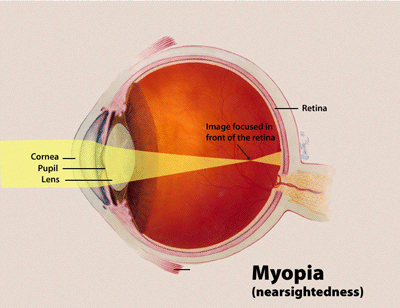
Certain factors make retinal issues more likely, including:High myopia. (severe nearsightedness)
- Previous retinal detachment in either eye.
- Eye trauma or injury.
- Recent eye surgeries, such as cataract removal.
- Age-related changes in the vitreous gel.
- Family history of retinal detachment.
Patients with these risk factors should be particularly vigilant about new flashes or floaters and maintain regular ophthalmic check-ups.
How can an ophthalmologist diagnose the cause of flashes and floaters?
Dr Parth Shah employs a systematic approach to accurately diagnose the cause of flashes and floaters:
- Comprehensive dilated eye examination: Allows direct visualisation of the retina and vitreous.
- Optical coherence tomography (OCT): Provides high-resolution imaging of retinal layers.
- Ultrasound imaging: Useful if the vitreous or retina cannot be fully visualised due to bleeding or dense floaters.
These investigations ensure precise diagnosis and inform the appropriate management plan, reducing the risk of vision-threatening complications.
What treatment options are available for conditions that cause flashes or floaters?

Treatment varies depending on the underlying condition:
- Retinal tear: Laser photocoagulation or cryotherapy seals the tear and prevents detachment.
- Retinal detachment: Surgical procedures such as vitrectomy or scleral buckle repair are often required.
- Non-threatening floaters: Observation, patient education, and lifestyle modifications are recommended.
Early intervention dramatically improves outcomes for patients with retinal tears or detachments.
Can lifestyle or home measures help with floaters?
While there is no proven method to eliminate floaters at home, certain strategies can help manage symptoms for benign floaters:
- Avoiding eye strain by taking regular breaks during screen use.
- Ensuring adequate lighting while reading.
- Maintaining regular eye check-ups to monitor changes.
It is essential, however, that sudden changes in floaters or flashes are never self-managed and are assessed promptly by an ophthalmologist.
When should a patient seek urgent eye care?
Patients should contact an ophthalmologist immediately if they experience:
- Sudden increase in floaters.
- New flashes of light.
- A dark curtain, shadow, or veil over vision.
- Vision loss or distortion.
Prompt evaluation can prevent permanent retinal damage and preserve vision.
Conclusion
While flashes and floaters are often harmless, sudden or severe changes in vision can indicate serious retinal problems. Dr Parth Shah’s expertise, clinical experience, and use of advanced diagnostic tools ensure patients receive accurate assessment, timely treatment, and personalised advice. Recognising warning signs and seeking urgent care when necessary is vital for maintaining healthy vision and preventing long-term complications. If you experience sudden flashes, floaters, or any changes in your vision, book an appointment with Dr Parth Shah today for a comprehensive eye examination and expert care.
Author bio
Dr Parth Shah is an experienced ophthalmologist in Canberra, Australia. With extensive training and experience, he is renowned for his expertise in the field. Dr Shah is dedicated not only to performing successful surgeries but also to patient education. His compassionate approach, combined with technical proficiency, has earned him the trust and gratitude of countless patients. He is a true advocate for eye health and a trusted name in the Canberra ophthalmology community.