
Last Updated: 22 May, 2025
Strabismus, commonly known as crossed eyes, is a condition where the eyes do not align properly. This guide aims to answer all the questions you might have if you or a loved one is considering strabismus surgery.
Recognition-Phase Questions
1. What is strabismus?
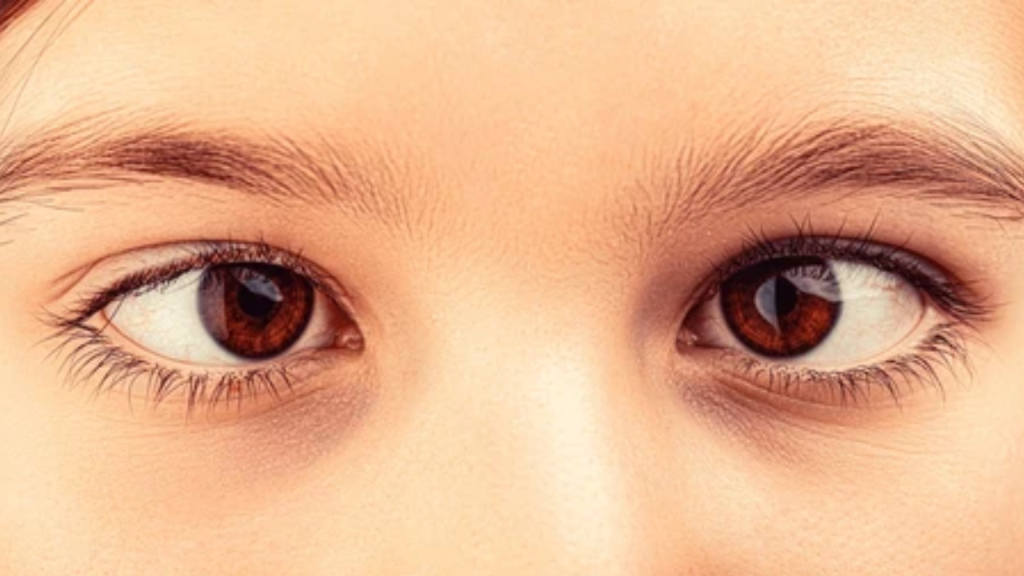
Strabismus is a condition in which the eyes do not properly align with each other. One eye may turn in, out, up, or down while the other eye looks straight ahead. This misalignment can be constant or intermittent (i.e. can come and go) and can affect one or both eyes.
2. What are the signs and symptoms of strabismus?
- Misaligned eyes
- Double vision
- Loss of depth perception
- Eye strain and headaches
- Difficulty reading
- Adopting a head tilt or covering one eye to see better
3. What causes strabismus?
Strabismus can result from problems with the eye muscles, nerves, or brain centers that control eye movement. It may also be associated with medical conditions like cerebral palsy, Down syndrome, or head injuries. Genetic factors can also play a role.
4. How is strabismus diagnosed?
An ophthalmologist or optometrist will conduct a comprehensive eye exam. This includes checking your medical history, assessing vision, and evaluating eye alignment and movement.
5. Can strabismus correct itself over time?
In some cases, especially in very young children, strabismus may improve with growth and development. However, it often requires treatment to correct and prevent complications like amblyopia.
6. How does strabismus affect daily life?
Strabismus can impact depth perception, coordination, and visual comfort. It may also lead to social and psychological effects due to the appearance of misaligned eyes.
Pre-Surgery Questions
1. When is strabismus surgery recommended?
Surgery is typically recommended when non-surgical treatments, such as glasses, patches, or eye alignment, do not correct the eye alignment adequately.
2. What should I expect during the pre-surgery consultation?
During the consultation, the surgeon will:
- Review your medical history
- Conduct a thorough eye examination
- Discuss the risks and benefits of the surgery
- Explain the procedure and recovery process
3. How should I prepare for strabismus surgery?
The surgeon will provide specific instructions tailored to your health and age.
Preparation may include:
- Stopping certain medications
- Arranging post-operative care
- Fasting requirements if general anaesthesia is used.
4.What are the risks and benefits of strabismus surgery?
Benefits:
- Improved eye alignment.
- Reduced double vision.
- Restoring normal appearance.
Risks:
- Overcorrection or undercorrection of eye alignment.
- Need for for further procedures
- Change to eyelid position
- Persistent redness
- Infection
- Bleeding
- Rarely, vision loss.
- This is not an exhaustive list. Discuss with your eye surgeon about specific concerns you have, and specific risks that may be applicable to you.
5. Are there non-surgical alternatives to strabismus surgery?
Yes, treatments like corrective glasses, prism lenses, patching, and eye exercises are often tried first. Surgery is considered when these methods are not effective or have reached their maximum impact.
6. How do I choose the right surgeon for strabismus surgery?
Look for an experienced ophthalmologist with specialised training in strabismus (eye muscle) surgery. Reading reviews, seeking referrals, and having a thorough consultation can help in making an informed decision.
During Surgery Questions

1. How long does strabismus surgery take?
The surgery typically lasts between 30 to 90 minutes, depending on the complexity and whether one or both eyes are being operated on.
2. What type of anaesthesia is used during strabismus surgery?
Children and adults usually receive general anaesthesia. This will be discussed during the pre-surgery consultation.
3. What happens during strabismus surgery?
The surgeon makes a small incision in the conjunctiva (the clear tissue covering the white part of the eye) to access the eye muscles. The muscles are then weakened, strengthened or repositioned to improve alignment. The incision is closed with dissolvable stitches.
4. Will I feel pain during the surgery?
With anesthesia, you should not feel pain during the surgery. Any discomfort is typically managed after surgery with simple pain relief medications.
5. Can both eyes be operated on at the same time?
Yes, the surgeon may correct both during the same procedure. This will depend on the individual case and specific pattern of eye misalignment.
6. What complications can arise during the surgery?
While rare, complications can include (but are not limited to) adverse reactions to anaesthesia, excessive bleeding, infection, or potential damage to surrounding eye structures.
Post-Surgery Questions

1. What should I expect immediately after the surgery?
You might experience redness, swelling, irritation and discomfort. Double vision is common initially as your brain adjusts to the new eye alignment. Most patients can go home the same day.
2. What is the recovery process like?
Recovery involves:
- Taking prescribed medications to manage pain and prevent infection.
- Avoiding strenuous activities.
- Attending follow-up appointments to monitor healing. Full recovery can take several weeks or months.
3. Are there any restrictions after strabismus surgery?
Yes, you should:
- Avoid rubbing your eyes.
- Refrain from swimming.
- Avoid vigorous activities for a few weeks. Your surgeon will provide a detailed list of do’s and don’ts.
4. When can I expect to see the final results of the surgery?
While some improvement might be noticeable immediately, it can take several weeks to months for the eyes to fully stabilise and for the final results to become apparent.
5. How long will I need to take off work or school?
Most people can return to work or school within a few days to one week, depending on their job and how they feel. Your surgeon will give you specific advice based on your situation.
6. What follow-up care is required after strabismus surgery?
Follow-up appointments are crucial to monitor healing and ensure the eyes are aligning properly. Additional treatments or adjustments may be needed based on the recovery progress.
7. What if the surgery does not fully correct the strabismus?
In some cases, additional surgery or other treatments like prism glasses or eye exercises might be necessary to achieve the best possible alignment.
8. Can strabismus recur after surgery?
While surgery can significantly improve eye alignment, there is a possibility of recurrence. Regular follow-up and, if needed, additional treatment can help manage this.
9. How can I support my child’s recovery from strabismus surgery?
Ensure they follow post-operative care instructions, attend all follow-up appointments, and monitor their recovery. Providing a calm and supportive environment can also help.
Conclusion
This comprehensive guide should help you understand what to expect from strabismus surgery, from recognising the condition to post-surgery care. If you have more questions or need personalised advice, consult with your eye care professional.
Author Bio
Dr Parth Shah is a leading ophthalmologist in Canberra, specialising in eye muscle surgery. With extensive training and experience, he is renowned for his expertise in the field. Dr Shah is dedicated not only to performing successful surgeries but also to patient education. His compassionate approach, combined with technical proficiency, has earned him the trust and gratitude of countless patients. He is a true advocate for eye health and a trusted name in the Canberra ophthalmology community.