
Last Updated: 13 August, 2025
Age-related macular degeneration (AMD) is one of the leading causes of vision loss in individuals over the age of 50. While there is currently no complete cure, modern ophthalmology offers highly effective treatments that can significantly slow down the disease and, in some cases, improve vision. One of the most important advancements in AMD management is the use of intravitreal injections.
In this blog, we will explore what intravitreal injections are, how they work in AMD treatment, what to expect during the procedure, and how they are helping patients maintain their vision and quality of life.
What is age-related macular degeneration?
Age-related macular degeneration is a chronic eye disease that affects the macula, the central part of the retina responsible for sharp, central vision.
There are two types of AMD:
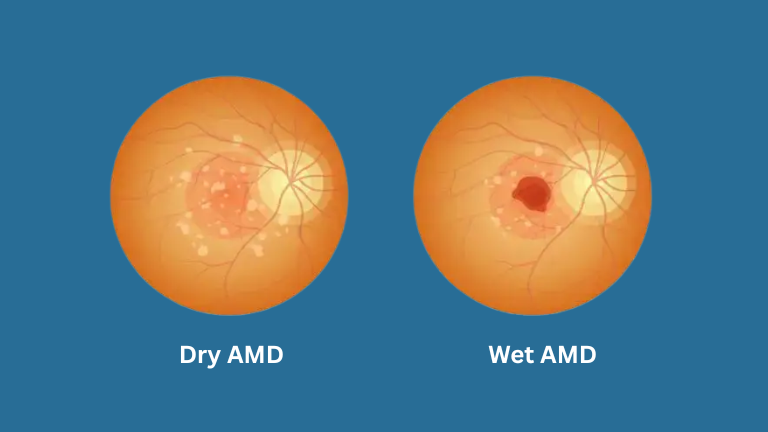
- Dry AMD: The more common, slower-progressing form, caused by gradual thinning of the macula.
- Wet AMD: A more severe form where abnormal blood vessels grow under the retina and leak fluid or blood, leading to rapid vision loss.
Wet AMD, although less common, is responsible for the majority of severe vision loss associated with AMD. This is where intravitreal injections play a crucial role.
What are intravitreal injections?
Intravitreal injections are a method of delivering medication directly into the vitreous cavity—the gel-like substance in the middle of the eye. These injections allow high concentrations of the medication to reach the retina and macula, which are otherwise difficult to treat with oral or topical medications.
How do intravitreal injections help in AMD?
In wet AMD, the abnormal blood vessel growth is driven by a protein called vascular endothelial growth factor (VEGF). Intravitreal injections typically contain anti-VEGF medications, which block this protein and help reduce:
- Growth of abnormal blood vessels.
- Leakage of fluid or blood.
- Swelling in the retina.
By controlling these factors, intravitreal injections can stabilise or even improve vision in many patients with wet AMD.
Common anti-VEGF medications used include:
- Lucentis® (ranibizumab)
- Eylea® (aflibercept)
- Avastin® (bevacizumab) (off-label but widely used)
The injection procedure: What to expect
The injection procedure is designed to be quick, safe, and relatively comfortable for patients. Here is a step-by-step overview of what typically happens during an intravitreal injection:
1. Preparation
- The eye and surrounding area are cleaned thoroughly to reduce the risk of infection.
- A local anaesthetic (usually in the form of eye drops) is used to numb the eye.
2. Injection
- The medication is injected using a very fine needle through the white part of the eye (sclera) into the vitreous cavity.
- The procedure typically takes only a few seconds.
3. Post-Injection
- You may experience mild irritation, redness, or a gritty sensation for a few hours.
- Most patients can resume normal activities the next day.
- Rarely, patients may see floaters or bubbles in their vision temporarily.
How often are injections needed?
Initially, injections are often given monthly until the condition stabilises. Over time, your treatment may shift to a treat-and-extend protocol, where the interval between injections is gradually increased based on your response to treatment.
The frequency depends on several factors, including:
- Type and severity of AMD.
- Response to previous injections.
- Ongoing retinal imaging results. (OCT scans)
Are there any risks?
Intravitreal injections are generally very safe. However, as with any medical procedure, there are potential risks:
Common and minor:
- Eye redness or irritation.
- Subconjunctival hemorrhage. (a red spot on the white of the eye)
- Mild discomfort.
Rare but serious:
- Infection (endophthalmitis)
- Retinal detachment.
- Increased intraocular pressure.
Benefits of intravitreal injections
- Preserve vision: Most patients maintain their current level of vision.
- Improve vision: Many see significant improvement in reading and facial recognition.
- Slow disease progression: Delays further deterioration.
- Minimally invasive: Performed in the clinic setting with no need for hospital admission.
Conclusion
Intravitreal injections have revolutionised the treatment of wet AMD, giving patients a real chance to preserve and even improve their vision. If you or a loved one has been diagnosed with age-related macular degeneration, timely and ongoing treatment is essential. Book a consultation with Dr. Parth Shah, experienced ophthalmologist in Canberra, and take the first step towards protecting your vision.
Author bio
Dr Parth Shah is a leading ophthalmologist in Canberra, specialising in eye injections. With extensive training and experience, he is renowned for his expertise in the field. Dr Shah is dedicated not only to performing successful surgeries but also to patient education. His compassionate approach, combined with technical proficiency, has earned him the trust and gratitude of countless patients. He is a true advocate for eye health and a trusted name in the Canberra ophthalmology community.