
Last Updated: 22 May, 2025
Macular oedema is a condition that significantly impacts vision by causing swelling in the central portion of the retina, known as the macula. This swelling is usually a result of fluid accumulation, which distorts the macula’s normal structure and leads to blurred or distorted vision.
It is a condition that can arise from various underlying eye diseases, including diabetic retinopathy, retinal vein occlusion, and age-related macular degeneration (AMD). Fortunately, one of the most effective treatments for managing macular oedema is through eye injections. These injections deliver medication directly into the eye, targeting the exact location of the problem and offering several benefits over other forms of treatment.
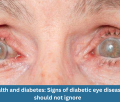
CAPTION SHOULD BE “OEDEMA”
Understanding macular oedema
What is macular oedema?
Macular oedema occurs when fluid accumulates in the macula, the part of the retina responsible for sharp, central vision. The fluid build-up causes the macula to swell and thicken, leading to vision problems. Patients with macular oedema often experience symptoms such as blurred or distorted vision, especially in the center of their visual field, difficulty reading, and problems recognising faces. These symptoms can significantly affect daily life, making it essential to seek prompt treatment.
Symptoms of macular oedema
- Blurry vision: Central vision becomes blurred or distorted.
- Wavy vision: Straight lines may appear wavy or distorted.
- Difficulty seeing detail: Fine details become harder to see.
- Color perception changes: Colours may appear less vibrant or altered.
- Reduced central vision: Difficulty reading or recognising faces, especially up close.
If you notice any of these symptoms, it is important to consult an eye specialist for a thorough evaluation.
Common causes of macular oedema

- Diabetic retinopathy: One of the most common causes of macular oedema, diabetic retinopathy occurs when high blood sugar levels damage the blood vessels in the retina. This damage can cause fluid to leak into the retina, leading to macular oedema.
- Retinal vein occlusion: This condition involves a blockage in the veins that carry blood away from the retina, resulting in a build up of pressure and fluid that can lead to macular oedema.
- Age-related Macular Degeneration (AMD): AMD is a leading cause of vision loss in older adults and can sometimes cause fluid to accumulate under the retina, resulting in macular oedema.
- Eye Surgery or Inflammation: Certain types of eye surgery, or inflammation within the eye (such as uveitis), can also lead to the development of macular oedema.
Eye injections: A targeted treatment
What are eye injections?
Eye injections, also known as intravitreal injections, are a treatment method where medication is injected directly into the vitreous cavity of the eye. This allows the drug to reach the retina and macula more effectively than oral or topical medications. Common medications used in these injections include Anti-VEGF (vascular endothelial growth factor) drugs and corticosteroids, both of which help reduce the swelling and fluid accumulation associated with macular oedema.
How do eye injections work?
- Anti-VEGF medications: These drugs work by inhibiting the action of VEGF, a protein that promotes the growth of abnormal blood vessels and increases vascular permeability. By blocking VEGF, these medications reduce the leakage of fluid into the retina, helping to reduce swelling and stabilise vision.
- Corticosteroids: Steroid injections work by reducing inflammation and decreasing the permeability of the blood vessels in the retina. This helps to prevent fluid leakage and can be particularly effective in cases where inflammation is a significant factor in the development of macular oedema.
Benefits of eye injections for macular oedema
Effectiveness in reducing swelling
One of the primary benefits of eye injections is their effectiveness in reducing the swelling associated with macular oedema. Clinical studies have shown that Anti-VEGF injections can significantly decrease macular thickness, leading to improvements in vision. Patients often notice a reduction in blurriness and an overall improvement in their ability to perform daily tasks, such as reading and recognising faces.
Long-term vision preservation
Eye injections are not just effective in the short term; they also play a crucial role in preserving vision over the long term. By controlling the swelling and preventing further damage to the macula, these injections can help maintain central vision, which is essential for activities like driving, reading, and recognising faces. In some cases, patients may even experience a reversal of vision loss, with noticeable improvements in visual acuity.
Minimally invasive procedure
Unlike more invasive surgical treatments, eye injections are minimally invasive and can be performed quickly in an outpatient setting. The procedure itself is relatively simple: after numbing the eye with anesthetic drops, the doctor injects the medication directly into the eye using a very fine needle. The entire process takes only a few minutes, and most patients experience little to no discomfort. Recovery time is minimal, with many patients able to resume normal activities shortly after the injection.
Tailored treatment
Another significant advantage of eye injections is the ability to tailor the treatment to the individual needs of the patient. The frequency and dosage of injections can be adjusted based on the severity of the macular oedema and the patient’s response to treatment. For some patients, a single injection may be sufficient to control the swelling, while others may require a series of injections over time. This flexibility allows for a personalised approach that maximises the effectiveness of the treatment.
What to expect during and after the procedure?
The procedure
Before the injection, your eye will be numbed with anesthetic drops to minimise any discomfort. The area around your eye will be cleaned with antiseptic to reduce the chances of infection, and a small device may be used to keep your eye open during the procedure. The doctor will then administer the injection directly into the vitreous cavity of your eye through a small needle. The entire procedure is quick, usually lasting only a few minutes.
Aftercare and recovery
After the injection, you may experience some mild discomfort or a gritty sensation in your eye, which usually resolves within a day or two. It is important to follow your doctor’s aftercare instructions. You should avoid rubbing your eye and refrain from strenuous activities for at least 48 hours. In some cases, you may notice floaters or flashes of light in your vision, but these are typically temporary. If you experience severe pain, significant vision loss, or signs of infection (such as increasing redness, pain, swelling, or discharge), you should contact your doctor immediately.
Why choose eye injections over other treatments?
Comparison with other treatments
- Laser therapy: While laser therapy can be effective in treating certain eye conditions, it has limitations when it comes to macular oedema. Laser treatment often involves the destruction of retinal tissue to seal leaking blood vessels, which can lead to permanent structural changes that can affect vision. Eye injections, on the other hand, offer a more targeted approach that preserves retinal tissue and often improves vision over the long term.
- Oral medications: Oral medications, such as steroids or anti-inflammatory drugs, can be used to treat macular oedema, but they often come with systemic side effects and are less effective than direct eye injections. Oral medications also take longer to reach therapeutic levels in the eye, whereas injections deliver the medication directly to the site of the problem.
Conclusion
Eye injections are a highly effective and minimally invasive treatment option for macular oedema. They offer several advantages over other treatments, including rapid reduction in swelling, long-term vision preservation, and a tailored approach that meets the specific needs of each patient. If you or someone you know is suffering from macular oedema, it is crucial to consult with an eye specialist to explore this treatment option. Dr Parth Shah is committed to providing the highest standard of care and helping our patients achieve the best possible outcomes.
Schedule a consultation with Dr Parth Shah today to discuss whether eye injections are right for you. Our experienced team is here to guide you through every step of the treatment process and answer any questions you may have.
Author bio
Dr Parth Shah is a leading ophthalmologist in Canberra, specialising in eye injections. With extensive training and experience, he is renowned for his expertise in the field. Dr Shah is dedicated not only to performing successful surgeries but also to patient education. His compassionate approach, combined with technical proficiency, has earned him the trust and gratitude of countless patients. He is a true advocate for eye health and a trusted name in the Canberra ophthalmology community.
FAQs