Table of Contents
ToggleLast Updated: 13 February, 2026
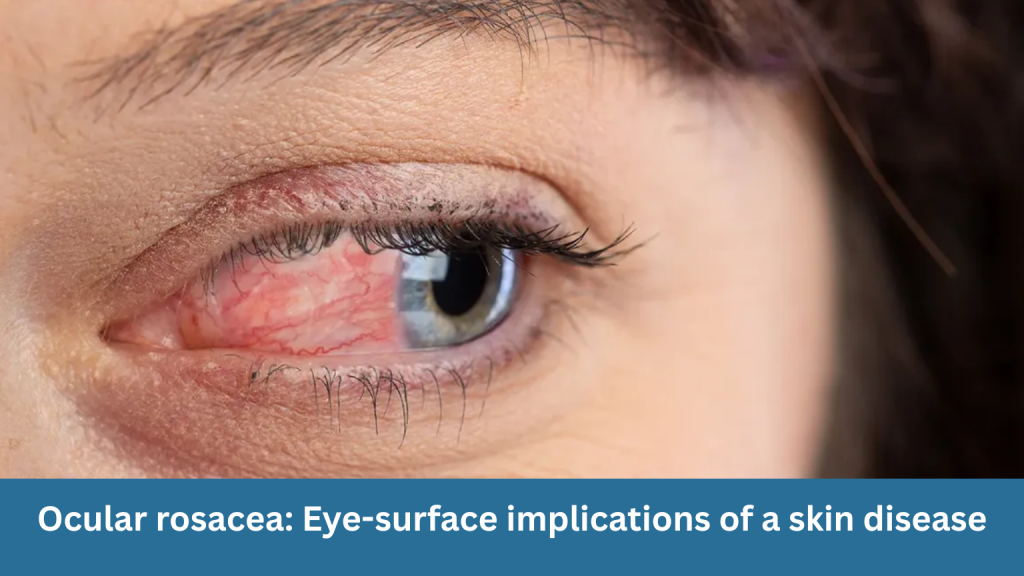
Ocular rosacea is a chronic inflammatory condition that affects the eyes and eyelids, often in people who already have rosacea of the skin. While rosacea is commonly associated with facial redness, pimples, and visible blood vessels, its impact on the eyes is frequently overlooked. Untreated ocular rosacea can lead to discomfort, dryness, irritation, and in severe cases, permanent damage to the cornea.
Understanding the link between skin and eye symptoms, recognising early warning signs, and seeking timely management are essential for maintaining eye comfort and long-term ocular health.
Below, we explore key considerations for ocular rosacea and its effects on the eye surface, explained in a clear, patient-friendly manner.
How does ocular rosacea affect the eyes?
Ocular rosacea often involves inflammation of the eyelids, tear glands, and ocular surface, leading to a range of symptoms that can interfere with daily life.
Patients with ocular rosacea may experience chronic redness, a gritty or burning sensation, watery eyes, and sensitivity to light. Inflammation of the meibomian glands (oil-producing glands in the eyelids) is common, leading to poor tear quality and dry eye symptoms. Without management, this can cause corneal irritation, recurrent infections, and even scarring in severe cases. Early recognition allows for targeted treatment and helps prevent long-term complications.
Signs and symptoms to watch for
Ocular rosacea can vary in severity, but common indicators include:
- Persistent eye redness or bloodshot appearance.
- Burning, stinging, or gritty sensation in the eyes.
- Watery eyes or unusual teariness.
- Sensitivity to light or blurred vision.
- Recurrent eyelid inflammation or crusting around the lashes.
- Chalazia (small eyelid lumps) due to blocked oil glands.
If these symptoms are present, especially in someone with facial rosacea, prompt evaluation by an ophthalmologist is recommended.
How does ocular rosacea affect tear film and eye surface?
Inflammation from ocular rosacea disrupts the normal balance of the tear film, leading to dry eye and surface irritation.
The meibomian glands in the eyelids secrete oils that prevent tear evaporation. In ocular rosacea, these glands may become inflamed or blocked, resulting in poor-quality tears. This can cause chronic dryness, fluctuating vision, and a sensation of something in the eye. Left untreated, tear film instability increases the risk of corneal damage, infections, and long-term discomfort.
Treatment and management strategies
Managing ocular rosacea often requires a combination of lifestyle measures, medical therapy, and in some cases, procedural interventions.
- Eyelid hygiene: Regular cleaning of the eyelid margins can reduce inflammation and prevent blockage of oil glands.
- Lubricating eye drops: Artificial tears help relieve dryness and protect the corneal surface.
- Medications: Oral antibiotics, anti-inflammatory eye drops, or topical medications may be prescribed to control inflammation.
- Lifestyle adjustments: Avoiding triggers such as spicy foods, alcohol, extreme temperatures, or sun exposure can reduce flares.
- Regular follow-up: Monitoring by an optometrist or ophthalmologist ensures that ocular rosacea is controlled and prevents long-term complications.
With consistent management, most patients experience significant improvement in symptoms and eye comfort.
When to see an eye specialist?
You should consult an optometrist or ophthalmologist if you experience:
- Persistent eye redness or irritation.
- Chronic dryness, burning, or gritty sensation.
- Sensitivity to light or fluctuating vision.
- Recurrent eyelid inflammation or crusting.
Early evaluation allows for tailored treatment and helps protect the eye surface from long-term damage.
Conclusion
Ocular rosacea is more than just a cosmetic issue — it can significantly affect eye comfort, vision, and the long-term health of the ocular surface. Recognising early symptoms, managing inflammation, and following a consistent treatment plan are key to preventing complications.
For expert assessment, personalised treatment, and compassionate care, book an appointment with Dr Parth Shah – a leading ophthalmologist in Canberra specialising in ocular surface diseases. Dr Shah provides tailored management plans for ocular rosacea, helping patients protect their vision and maintain eye comfort.
Author Bio
Dr Parth Shah is an experienced ophthalmologist in Canberra, Australia. With extensive training and experience, he is renowned for his expertise in the field. Dr Shah is dedicated not only to performing successful surgeries but also to patient education. His compassionate approach, combined with technical proficiency, has earned him the trust and gratitude of countless patients. He is a true advocate for eye health and a trusted name in the Canberra ophthalmology community.
FAQs
Yes. Some patients experience ocular symptoms without significant facial redness or bumps. Eye involvement can precede or occur independently of skin signs, making awareness of ocular symptoms important.
No, ocular rosacea is not contagious. It is an inflammatory condition related to skin and immune system changes, not an infection.
If left untreated, severe ocular rosacea can lead to corneal damage, scarring, or ulcers, which may threaten vision. Early diagnosis and consistent management prevent long-term complications.
Yes. Stress, heat, sun exposure, alcohol, spicy foods, or extreme weather can trigger flares and worsen eye inflammation.
Yes. Contact lenses can exacerbate dryness, irritation, or discomfort in patients with ocular rosacea. Special lenses or shorter wear times may be recommended by an eye specialist.
While ocular rosacea is more common in adults, children can develop it too, especially if they have rosacea or a family history. Early recognition is crucial to prevent eye surface damage.
Mild cases may fluctuate, but symptoms rarely resolve completely without intervention. Proper eyelid care, medications, and lifestyle adjustments are usually required to control the condition.