Last Updated: 17 February, 2026
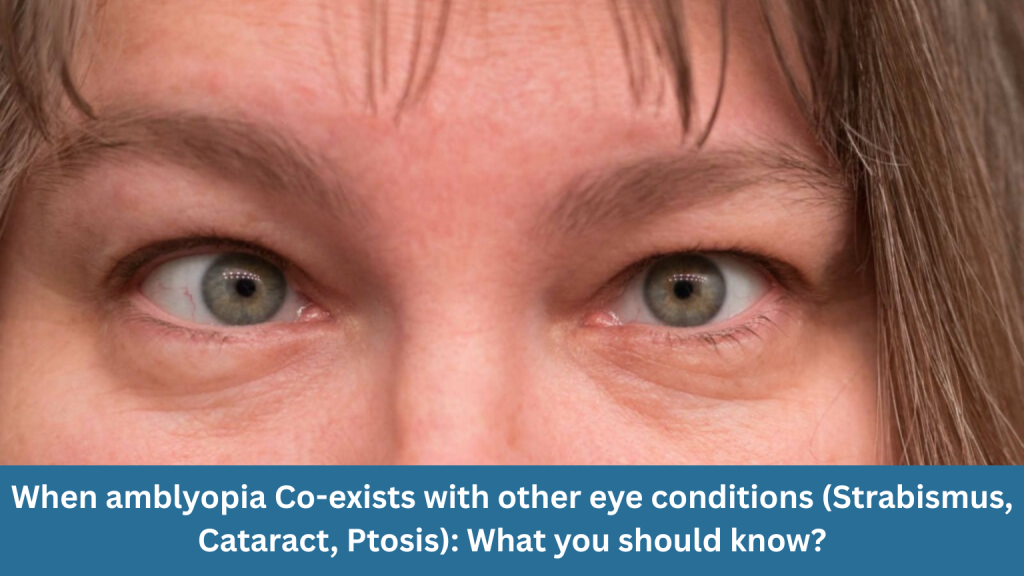
Amblyopia, commonly known as lazy eye, is a condition where one eye has reduced vision due to abnormal visual development during childhood. While it is often treated effectively when detected early, amblyopia can become more complicated when it co-exists with other eye conditions such as strabismus (eye misalignment), cataract, orptosis (drooping eyelid).
Understanding how these conditions interact, their impact on vision, and the steps needed for timely management is essential for maintaining optimal eye health and visual development.
Below, we explore key considerations for amblyopia when it co-occurs with other eye conditions, explained in a clear, patient-friendly manner.
How strabismus affects amblyopia treatment?
Strabismus is one of the most common causes of amblyopia. When the eyes are misaligned, the brain suppresses or ignores the image from the weaker eye to avoid double vision, which can worsen visual development.
When amblyopia co-exists with strabismus, treating the weaker eye becomes more challenging. Patching or vision therapy alone may not fully improve vision unless the eye alignment is also corrected.
In some cases, surgery for strabismus may be recommended to align the eyes, allowing the brain to use both eyes together more effectively and maximise visual potential.
Additionally, consistent follow-up and monitoring are essential to ensure that the eyes remain aligned as the child grows, and to adjust treatment if any drifting or visual imbalance occurs.
Early intervention and a tailored treatment plan significantly increase the likelihood of achieving long-term binocular vision and depth perception.
How do cataracts influence amblyopia?
Cataracts in children can obstruct the visual axis, preventing clear images from reaching the retina and potentially causing or worsening amblyopia if left untreated.
- Early intervention is critical – When amblyopia and cataracts occur together, prompt evaluation ensures that both conditions are addressed before permanent vision loss occurs.
- Cataract surgery may be required – Removing the cloudy lens with cataract surgery in children restores clear vision, allowing light to better pass through the eye and receive proper visual input.
- Treating the lazy eye is essential – Patching therapy, eye drops, or vision therapy are often necessary both before and or after surgery to strengthen the weaker eye.
- Delayed treatment increases risk – Postponing intervention can lead to irreversible vision impairment, emphasising the importance of timely detection and coordinated care.
How ptosis impacts amblyopia management?
Ptosis, or drooping of the upper eyelid, can physically block the visual axis, reducing visual stimulation to the affected eye and contributing to amblyopia.
Children with ptosis may develop amblyopia if the eyelid covers part of the pupil consistently. Management may involve surgical correction of the eyelid combined with patching therapy or eye exercises for the weaker eye. Early evaluation is important to prevent long-term visual impairment.
Why is early detection and combined treatment important?
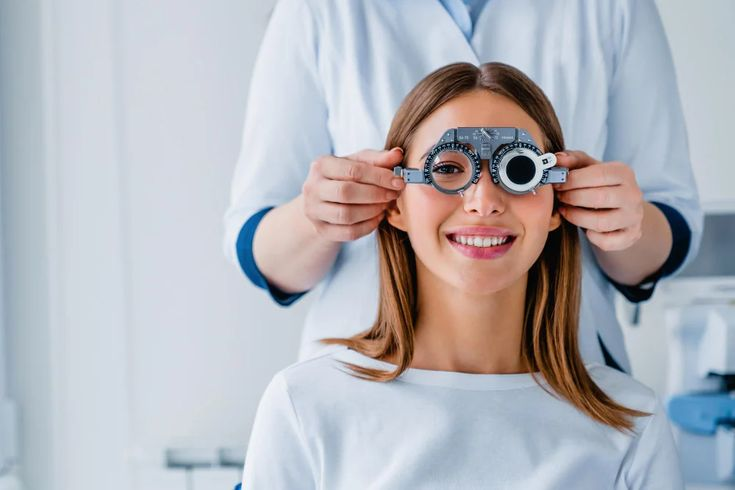
Amblyopia rarely occurs in isolation when co-existing with other eye conditions. The interaction between these conditions can make treatment more complex, but early and coordinated intervention improves outcomes significantly.
Managing amblyopia alongside strabismus, cataract, or ptosis requires a multi-step approach.
This may include:
- Correcting structural issues. (e.g., surgery for cataract, strabismus, or ptosis)
- Stimulating the weaker eye through patching therapy, eye drops, or vision therapy.
- Regular follow-ups to monitor alignment, clarity, and visual development.
With timely management, most children achieve meaningful improvements in vision and eye coordination.
When to see an eye specialist?
You should consult an ophthalmologist if your child has:
- Visible eye misalignment or drifting.
- Drooping eyelid that partially covers the pupil.
- Cloudy or opaque lenses affecting vision.
Early assessment ensures that amblyopia and any co-existing condition are addressed promptly to prevent permanent vision loss.
Conclusion
Amblyopia co-existing with strabismus, cataract, or ptosis presents unique challenges, but with early detection, proper evaluation, and a coordinated treatment plan, most children can achieve improved vision and eye function.
For expert assessment, personalised management, and compassionate care, book an appointment with Dr Parth Shah – a trusted ophthalmologist in Canberra specialising in paediatric and adult eye conditions. Dr Shah provides tailored treatment plans to manage amblyopia and associated eye conditions effectively, helping children reach their best visual potential.
Author Bio
Dr Parth Shah is a leading ophthalmologist in Canberra, with a special interest in paediatric eye surgery. With extensive training and experience, he is renowned for his expertise in the field. Dr Shah is dedicated not only to performing successful surgeries but also to patient education. His compassionate approach, combined with technical proficiency, has earned him the trust and gratitude of countless patients. He is a true advocate for eye health and a trusted name in the Canberra ophthalmology community.