Last Updated: 17 June, 2026
As we age, our eyes naturally go through changes that can affect how clearly and comfortably we see. After 60, the risk of developing conditions such as cataracts, glaucoma and macular degeneration increases significantly.
Good vision is essential for maintaining independence, mobility and overall quality of life. The good news is that with the right care and regular check-ups, many age-related eye problems can be detected early and managed effectively.
Why does eye care matter more after 60?
Ageing affects different parts of the eye, including the lens, retina and tear glands. This can lead to reduced focus, dryness and increased sensitivity to light.
Many serious eye conditions develop slowly and may not show obvious symptoms in the early stages. Regular eye tests are therefore crucial, as they help detect problems early and prevent long-term vision loss.
Common eye conditions after 60
Cataracts
Cataracts occur when the lens of the eye becomes cloudy, causing blurred or dim vision. They develop gradually and are very common, but can be effectively treated with surgery.
Glaucoma
Glaucoma damages the optic nerve, often due to increased eye pressure. It usually has no early symptoms, making routine eye exams essential for early detection.
Age-related macular degeneration (AMD)
AMD affects central vision, making it difficult to read, drive or recognise faces. Early diagnosis can help slow its progression.
Diabetic retinopathy
People with diabetes may experience damage to the blood vessels in the retina, which can lead to vision problems if not managed properly.
Dry eye
Dry eyes are common in older adults and can cause irritation, redness and a gritty sensation, especially in dry or air-conditioned environments.
Warning signs you should not ignore
It is important to seek professional advice if you notice:
- Blurred or double vision.
- Sudden vision changes or loss.
- Flashes of light or floaters.
- Eye pain, redness or discomfort.
- Difficulty seeing at night.
These symptoms may indicate underlying issues that require prompt attention.
Essential eye care tips after 60
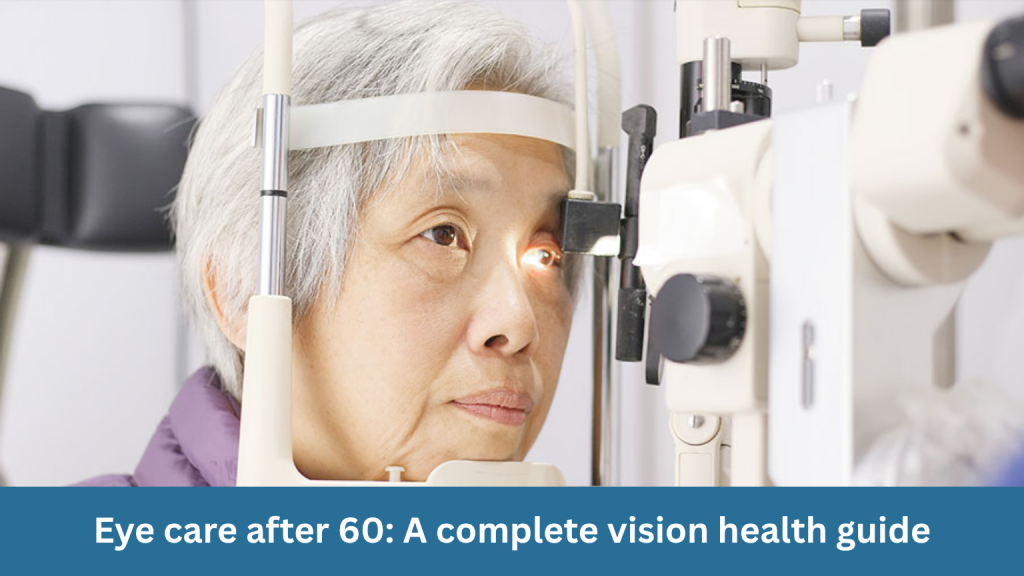
Have regular eye tests

Schedule a comprehensive eye examination every 1–2 years, even if you do not notice any problems. Early detection is key to protecting your vision.
Maintain a healthy diet
A nutrient-rich diet supports long-term eye health. Include foods high in vitamins A, C and E, as well as omega-3 fatty acids.
Leafy greens, fish, nuts and fresh fruits are excellent choices.
Protect your eyes from the sun
Australia has high UV exposure, which can damage the eyes over time.
Wear sunglasses with 100% UV protection and a wide-brimmed hat when outdoors to reduce the risk of cataracts and macular degeneration.
Manage chronic health conditions
Conditions such as diabetes, high blood pressure and cholesterol can affect your vision. Keeping them under control is essential for maintaining eye health.
Stop smoking
Smoking increases the risk of several serious eye diseases. Quitting can significantly reduce these risks and improve overall health.
Reduce screen strain
If you use digital devices regularly, follow the 20-20-20 rule to reduce eye fatigue and dryness.
Improve lighting at home
As vision changes with age, good lighting becomes more important. Use bright, comfortable lighting to reduce strain during reading or close work.
Lifestyle habits that support vision
Simple daily habits can make a big difference:
- Stay physically active to support blood circulation.
- Get enough sleep to reduce eye fatigue.
- Stay hydrated to prevent dry eyes.
- Take regular breaks from screens.
- Maintain a healthy weight.
These habits contribute to both eye health and overall wellbeing.
How often should you have an eye test?
After 60, it is recommended to have an eye test every 1–2 years, or more frequently if advised by your eye specialist.
Routine eye exams are essential, even if your vision feels normal.
When to see an eye specialist urgently?
Seek immediate medical care if you experience:
- Sudden vision loss.
- Severe eye pain.
- Flashes or a sudden increase in floaters.
- Eye injury or trauma.
Timely treatment can prevent permanent damage.
Conclusion
Taking care of your eyes after 60 is not just about preserving vision—it is about maintaining your independence, safety and overall quality of life. While age-related changes are natural, many serious eye conditions can be prevented or managed effectively with early detection and the right lifestyle choices. Regular eye check-ups, a healthy diet, proper sun protection and managing underlying health conditions all play a vital role in protecting your eyesight.
If you have noticed any changes in your vision or simply want to stay proactive about your eye health, it is important to seek expert guidance.Book a consultation with Dr Parth Shah today and take the right step towards protecting your vision for years to come.
Author Bio
Dr Parth Shah is a leading ophthalmologist in Canberra, with a special interest in paediatric eye surgery. With extensive training and experience, he is renowned for his expertise in the field. Dr Shah is dedicated not only to performing successful surgeries but also to patient education. His compassionate approach, combined with technical proficiency, has earned him the trust and gratitude of countless patients. He is a true advocate for eye health and a trusted name in the Canberra ophthalmology community.