
Last Updated: 26 February, 2026
Eyelid lumps are a common eye concern and often cause anxiety for patients. Many people use terms like stye and chalazion interchangeably, but these conditions differ in their cause, symptoms, and treatment. In addition, other eyelid cysts and lumps can look similar, making accurate identification important.
Most eyelid lumps are harmless and resolve with simple care. However, some may persist, recur, or rarely indicate a more serious condition. Understanding the differences helps patients know when home care is enough and when professional evaluation is needed.
Below, we explain the most common types of eyelid lumps in a clear, patient-friendly manner, followed by a comparison table for quick reference.
What is a stye (hordeolum)?
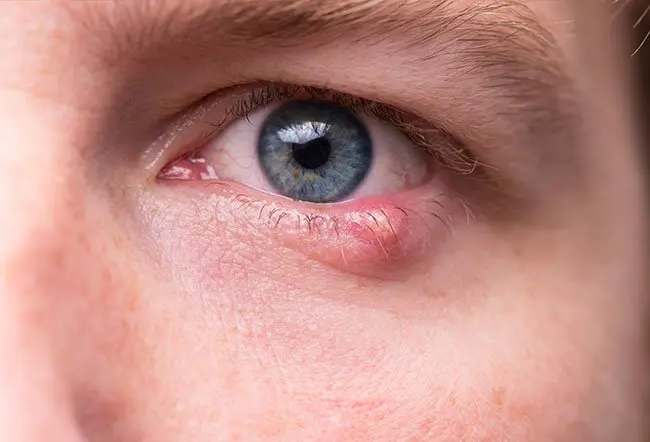
A stye is an acute bacterial infection of an eyelash follicle or an oil gland in the eyelid. It typically appears suddenly and is often painful.
Styes usually present as a red, swollen, tender lump along the eyelid margin. A yellow or white pus point may be visible. Common triggers include poor eyelid hygiene, frequent eye rubbing, contact lens use, or underlying eyelid inflammation such as blepharitis. With appropriate care, most styes improve within a week.
What is a chalazion?
A chalazion is a non-infectious blockage of a meibomian (oil) gland in the eyelid. Unlike a stye, it develops gradually and is usually painless.
Chalazia appear as a firm, round lump within the eyelid, often away from the lash line. The skin over the lump usually looks normal. Chalazia are commonly associated with chronic eyelid inflammation, ocular rosacea, or a previous stye that did not fully resolve.
What are other eyelid cysts or lumps?
Not all eyelid lumps are styes or chalazia. Other conditions include:
- Sebaceous cysts: Painless, slow-growing lumps caused by blocked skin glands.
- Epidermoid cysts: Benign cysts containing keratin.
- Xanthelasma: Yellowish cholesterol deposits around the eyelids.
- Eyelid tumours: Rare, but important to rule out if a lump is persistent, bleeding, or changing.
Because some serious conditions can mimic benign eyelid lumps, persistent or unusual lesions should always be assessed by an eye specialist.
How are eyelid lumps treated?
Treatment depends on the underlying cause:
- Warm compresses to encourage drainage.
- Eyelid hygiene to reduce recurrence.
- Medications such as antibiotic or anti-inflammatory drops.
- Minor procedures for persistent or vision-affecting lumps.
- Biopsy if the lesion appears suspicious.
Early treatment improves comfort and reduces complications.
When should you see an ophthalmologist?
Seek professional care if you experience:
- An eyelid lump lasting longer than 2–3 weeks.
- Recurrent styes or chalazia.
- Increasing pain, redness, or swelling.
- Blurred vision or eye pressure.
- Bleeding, colour change, or ulceration.
Prompt evaluation ensures accurate diagnosis and appropriate management.
Conclusion
Although chalazia, styes, and other eyelid cysts may look similar, they differ in cause, symptoms, and treatment. Recognising these differences allows for timely care and prevents unnecessary discomfort or complications.
For expert assessment and personalised treatment of eyelid lumps and ocular surface conditions,book a consultation with Dr Parth Shah, a leading ophthalmologist in Canberra. Dr Parth Shah offers comprehensive, patient-centred care to help protect eye health and long-term vision.
Author bio
Dr. Parth Shah is a leading ophthalmologist in Canberra, Australia. With extensive training and experience, he is renowned for his expertise in the field. Dr. Shah is dedicated not only to performing successful surgeries but also to patient education. His compassionate approach, combined with technical proficiency, has earned him the trust and gratitude of countless patients. He is a true advocate for eye health and a trusted name in the Canberra ophthalmology community.