
Last Updated: 15 July, 2025
Esotropia is a form of strabismus (eye misalignment) in which one or both eyes turn inward toward the nose. While it can affect both children and adults, early diagnosis and appropriate treatment are crucial to preserving vision and preventing long-term complications. This blog aims to help you understand the different types of esotropia, its symptoms, causes, and the right time to seek professional help.
What is esotropia?
Esotropia occurs when the eyes are not properly aligned and one eye turns inward. It can be constant or intermittent and may be present at birth or develop later in life. Unlike temporary eye misalignment that may occur due to fatigue or illness, esotropia is a persistent condition that typically requires medical intervention.
Common symptoms of esotropia
- One eye constantly turns inward.
- Squinting or closing one eye in bright light.
- Double vision (particularly in older children and adults).
- Poor depth perception.
- Eye strain or headaches.
- Difficulty with coordination or reading.
In infants, symptoms might not be easily noticed unless the deviation is significant. Parents should be vigilant and consult a specialist if anything seems off with their baby’s eye movements or alignment.
Types of esotropia
Esotropia is classified based on the age of onset, underlying cause, and pattern of eye misalignment:
1. Congenital (Infantile) esotropia
- Onset: Within the first 6 months of life.
- Features: Large inward deviation, often alternating between eyes.
- Treatment: Often surgical, since glasses rarely correct the alignment.
2. Accommodative esotropia
- Onset: Typically between ages 2–5.
- Cause: Uncorrected farsightedness (hyperopia) causing the eyes to cross when focusing.
- Features: More noticeable when the child focuses on near objects.
- Treatment: Corrective glasses; surgery may be needed in some cases
3. Non-Accommodative esotropia
- Onset: Childhood or later.
- Features: Esotropia persists even with corrective lenses.
- Treatment: Often requires surgery to realign the eyes.
4. Intermittent esotropia
- Features: Occurs only sometimes, often during periods of fatigue or illness. It can become constant over time if left untreated.
- Treatment: Glasses, vision therapy, or surgery depending on severity.
5. Acquired esotropia (Late-Onset)
- Onset: Adolescence or adulthood.
- Cause: Could result from neurological issues, trauma, or uncorrected refractive errors.
- Urgency: May indicate an underlying neurological condition—prompt evaluation is essential.
Causes and Risk factors
- Genetics: Family history increases risk.
- Refractive errors: Especially hyperopia (farsightedness).
- Neurological conditions: Such as cerebral palsy or Down Syndrome.
- Eye muscle disorders.
- Uncorrected vision issues in one eye.
- Trauma or Infections.
When to seek treatment?
Prompt evaluation is key, especially in children. You should seek professional help if:
- Your child’s eyes appear misaligned beyond the age of 4–6 months.
- The eye turn is persistent or increasing.
- Your child has symptoms like squinting, tilting the head, or covering one eye.
- There’s a family history of strabismus or amblyopia.
- You notice any sudden onset of eye crossing in an older child or adult.
Diagnosis and evaluation
At your eye consultation, a comprehensive assessment is done, which includes:
- Visual acuity testing.
- Refraction to detect refractive errors.
- Ocular alignment tests.
- Dilated fundus examination to rule out retinal or optic nerve issues.
- Additional neurological testing if needed.
Early detection allows for better treatment outcomes and prevents long-term issues like amblyopia or permanent vision loss.
Treatment options
Treatment varies depending on the type and severity of esotropia, but can include:
- Corrective lenses: Especially for accommodative esotropia, glasses can significantly reduce or eliminate eye crossing.
- Vision therapy: For mild or intermittent cases, vision therapy can improve eye coordination and control.
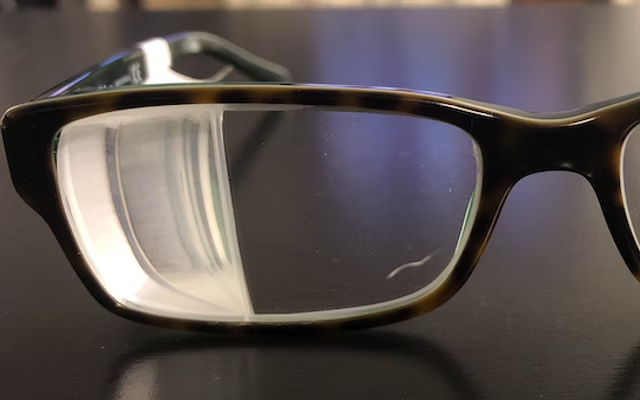
- Prism glasses: These special lenses can help manage double vision and align visual input.
- Botulinum toxin injections: In select cases, botox injections into the eye muscles can temporarily align the eyes and may be an alternative to surgery.
- Surgical intervention: Eye muscle surgery is often required in congenital or non-accommodative esotropia. The procedure adjusts the length or position of specific eye muscles to achieve proper alignment.
Prognosis and long-term care
With early and appropriate treatment, most children with esotropia can achieve good visual outcomes and functional alignment. Regular follow-up is necessary to monitor vision development and ensure lasting results. Some may require more than one intervention or lifelong monitoring.
Conclusion
Many ophthalmologists in Canberra often encounter parents concerned about their child’s eye alignment. Timely diagnosis and appropriate treatment can greatly improve a child’s vision and quality of life. If any signs of esotropia are present, early evaluation is strongly recommended to help preserve long-term visual health. For expert diagnosis and compassionate care, book a consultation with Dr Parth Shah, a trusted ophthalmologist in Canberra specialising in paediatric eye conditions.
Author bio
Dr Parth Shah is a leading ophthalmologist in Canberra, specialising in eye muscle surgery. With extensive training and experience, he is renowned for his expertise in the field. Dr Shah is dedicated not only to performing successful surgeries but also to patient education. His compassionate approach, combined with technical proficiency, has earned him the trust and gratitude of countless patients. He is a true advocate for eye health and a trusted name in the Canberra ophthalmology community.