Last Updated: 13 February, 2026
With extensive experience in cataract diagnosis and advanced surgical care, Dr Parth Shah, a highly trusted ophthalmologist in Canberra, has helped thousands of patients regain clear, comfortable vision through timely and precise cataract treatment. Known for his gentle approach, accuracy, and patient-centred care, Dr Parth Shah ensures every individual receives tailored recommendations based on their eye condition, lifestyle, and vision needs.
Cataracts are an extremely common eye condition, particularly as we age, and early symptoms are often subtle. While many people tend to delay surgery — assuming cataracts simply cause inconvenience — waiting too long can lead to significant risks, complications, and permanent vision problems.
Understanding the consequences of postponing cataract surgery can help protect your long-term vision, safety, and overall quality of life.
Below are the key risks associated with delaying cataract surgery for too long, explained clearly and with patient-friendly medical accuracy.
How delaying cataract surgery reduces vision clarity over time?
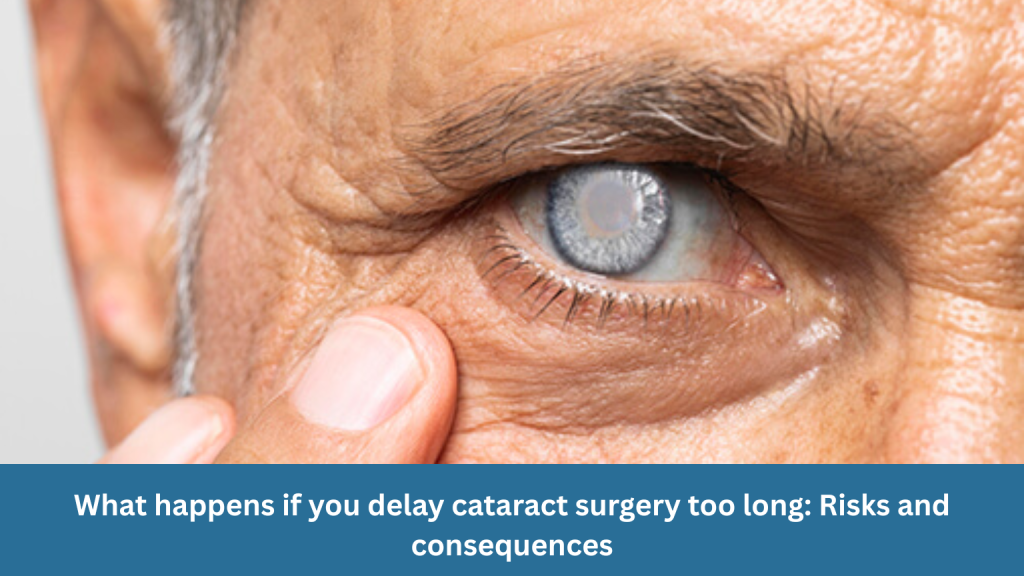
Cataracts gradually cloud the natural lens, making vision increasingly blurry, dim, and less sharp.
As the cataract progresses, the lens becomes denser, leading to:
- Blurred or foggy vision.
- Reduced contrast.
- Difficulty seeing at night.
- Increased glare from sunlight and headlights.
In advanced stages, the cataract becomes so opaque that even strong glasses or bright lighting cannot improve vision.
Patients often notice symptoms worsening:
- While driving at night.
- In low-light indoor settings.
- During reading or computer work.
- When moving from light to dark environments.
The longer the cataract is left untreated, the more pronounced the deterioration becomes.
How delaying surgery increases the risk of falls and injuries?
Poor vision caused by advanced cataracts significantly increases the risk of accidents, particularly in older adults.
Cataracts reduce depth perception and contrast sensitivity, making it difficult to clearly judge distances, edges, and changes in the walking surface. Because of this, patients may struggle to see:
- Steps or stair edges.
- Curbs while walking outdoors.
- Small obstacles on the floor.
- Uneven or slippery surfaces.
When these visual cues are unclear, the chances of accidents naturally increase. This can lead to:
- Falls caused by misjudging a step or tripping over unseen objects.
- Hip fractures in older adults, which often require long recovery.
- Head injuries, especially during sudden or unexpected falls.
Once the cataract is removed, vision becomes clearer and sharper, greatly improving balance, depth perception, and overall safety. Many patients feel more confident walking, going outdoors, and moving around their home after surgery.
How does a mature cataract make surgery more complex?
If a cataract becomes very dense, surgery can be more challenging and may carry additional risks.
A closer look:
Over time, the lens can harden and swell, increasing the likelihood of:
- Intraoperative complications.
- Increased surgical time.
- Slower recovery.
- Inflammation
In some cases, the cataract may become so advanced that it turns “white” or “intumescent,” building pressure and complicating removal. Early surgery generally leads to smoother, safer outcomes with a quicker return to clear vision.
How delaying cataract surgery can increase eye pressure?
A very mature cataract can block normal fluid movement within the eye, creating dangerously high pressure.
When the cataract swells, it can narrow the drainage angle, triggering:
- Acute glaucoma.
- Severe eye pain.
- Sudden vision loss.
- Nausea or vomiting.
This is a medical emergency. Timely cataract surgery prevents the lens from reaching this risky stage.
How delaying surgery affects your ability to perform daily tasks?
Progressive clouding of the lens impacts both work and lifestyle activities.
Patients commonly report difficulty with:
- Reading – Words appear blurred or washed out, making it harder to focus for long periods.
- Driving (especially at night) – Glare from headlights and reduced contrast make night driving challenging and unsafe.
- Recognising faces – Details become hazy, causing difficulty identifying people from a distance.
- Cooking – Blurred vision makes it harder to read labels, measure ingredients, or see hot surfaces clearly.
- Working on digital devices – Screens appear dim or foggy, increasing eye strain and reducing productivity.
- Gardening or outdoor activities – Sun glare, low contrast, and blurred vision affect depth perception and safety outdoors.
If cataracts begin to interfere with your quality of life, it is a strong indicator that surgery should not be delayed.
How advanced cataracts reduce accuracy in pre-surgery measurements?
The denser the cataract, the harder it is for diagnostic equipment to accurately measure the eye.
Accurate measurements are essential for selecting the correct intraocular lens (IOL) to provide the best visual outcome.
A very cloudy lens may:
- Reduce measurement precision.
- Affect refractive results.
- Increase the chance of needing glasses after surgery.
Early intervention helps ensure optimal surgical accuracy and outcomes.
How delaying cataract surgery can worsen other eye conditions?
If you already have glaucoma,diabetic retinopathy, or macular degeneration, poor vision caused by cataracts can make monitoring and treatment more difficult.
A dense cataract can limit your eye specialist’s view of important structures like the retina and optic nerve. This makes it difficult to detect changes early, including:
- Progression of existing eye diseases.
- New diabetic-related changes in the retina.
- Worsening glaucoma damage.
This reduced visibility can delay timely treatment, increasing the risk of further vision loss.
In many cases, timely cataract surgery actually improves the ability to manage these conditions, as clearer vision allows for more accurate examinations, better imaging, and more effective ongoing treatment.
When to see an eye specialist?
You should book an appointment if you experience:
- Increasing glare or haloes.
- Difficulty driving at night.
- Blurred or double vision.
- Trouble reading or recognising faces.
- Reduced brightness or colour perception.
- Frequent changes in glasses.
- Signs of eye pressure or pain.
- Rapidly worsening vision.
Early evaluation helps determine the right time for surgery and prevents unnecessary vision loss.
Conclusion
Cataracts may progress slowly, but delaying surgery for too long can lead to serious consequences — from permanent vision decline to increased surgical risk. Recognising early signs, understanding the dangers of waiting, and seeking timely treatment are crucial for protecting long-term eye health.
With advanced surgical techniques, precise diagnosis, and a compassionate patient-first approach, Dr Parth Shah provides Canberra residents with safe, effective cataract care and excellent visual outcomes.
If cataracts are affecting your daily life or vision clarity, book a comprehensive eye assessment with Dr Parth Shah today. Early treatment ensures safer surgery, clearer vision, and greater independence.
Author bio
Dr Parth Shah is a leading ophthalmologist in Canberra, specialising in cataract surgery. With extensive training and experience, he is renowned for his expertise in the field. Dr Shah is dedicated not only to performing successful surgeries but also to patient education. His compassionate approach, combined with technical proficiency, has earned him the trust and gratitude of countless patients. He is a true advocate for eye health and a trusted name in the Canberra ophthalmology community.