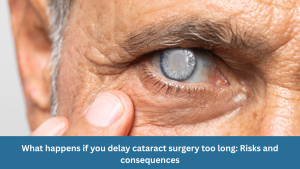
What happens if you delay cataract surgery too long: Risks and consequences
With extensive experience in cataract diagnosis and advanced surgical care, Dr Parth Shah, a highly trusted ophthalmologist in Canberra, has
A cataract is a clouding of the natural focusing lens inside the eye. It is derived from the Greek word for waterfall.
Cataract surgery is the most common type of eye operation performed around the world. With modern techniques, the recovery is far more rapid than it used to be, and long-term results are excellent in the majority of cases.
If you experience symptoms of cataract, then surgery may help to improve the quality of your vision. You should ensure that you have had a thorough eye examination with an experienced cataract surgeon.
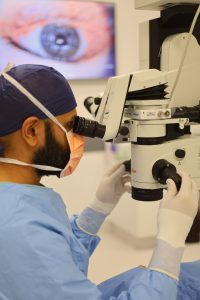
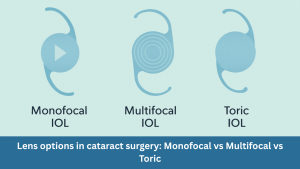
Cataract surgery is usually performed under local anaesthetic. Precision microsurgery is performed to carefully remove the cataract and insert a customised artificial lens. The lens is selected to give clear vision at distance, near, or both. There are several makes and models of artificial intraocular lenses (IOL). Not all lenses work for all patients.
Post-operative care involves eye drops for 3-4 weeks.
I am an experienced ophthalmologist with special interests and skills in cataract surgery, eye muscle surgery and paediatric ophthalmology.
My goal is to achieve the best possible outcome for all of my patients through evidence-based practice, cutting-edge technology and a commitment to continuous surgical audit and improvement.
I grew up and studied in Sydney before undertaking prestigious surgical fellowships in the U.K. and the U.S.A.. I have worked with world leading ophthalmologists and refined my surgical skills.
I have a passion for teaching and service provision to disadvantaged communities.
Dr Parth Shah is a leading ophthalmologist in Canberra, specialising in cataract surgery. With extensive training and experience, he is renowned for his expertise in the field. Dr Shah is dedicated not only to performing successful surgeries but also to patient education. His compassionate approach, combined with technical proficiency, has earned him the trust and gratitude of countless patients. He is a true advocate for eye health and a trusted name in the Canberra ophthalmology community.
No.
After cataract surgery, your vision may be improved immediately but not stable. Additionally, you may have received twilight anesthesia (sedation) prior to surgery, that may not have worn off completely. This makes it dangerous to operate a vehicle on your own.
After your cataract surgery, you should have someone take you home. It’s important that you have someone with you even if you’re taking public transportation or a taxi, just to ensure you get home safely and are able to rest.
Most patients are able to resume driving 24 hours or 48 hours after cataract surgery. However, this completely depends on the individual patient. The day after your surgery, you may return to your ophthalmologist clinic for a follow-up appointment. They will evaluate your vision and determine when it’s safe for you to drive and resume other normal activities.
It is very important that you wait for clearance from your doctor, as some patients heal more quickly than others. It could be that your doctor recommends waiting a little while longer before driving again, just to be safe. For this reason, you should also plan on having someone drive you to and from your follow-up appointment. Keep in mind that you may be required to wear an eye shield for a few days after surgery to aid your healing. It may also take about a week for your vision to completely stabilise. Your eye surgeon will discuss these factors, and how they may affect your ability to drive, during your post operative consultation.
Cataract surgery recovery can sometimes feel overwhelming however, it does not necessarily stop you from doing most of your daily activities and tasks.
In fact, doing light housework is totally okay, however, you should refrain from heavy lifting and bending over for up to a week after surgery. You should put aside any intense physical activities until your eye has fully recovered.
After surgery, your eyes will need time to heal. They might be more sensitive than normal. We advise all of our patients to avoid heat, steam and moisture for the first few days after cataract surgery.
Most patients can return to normal activities in terms of watching television, using a computer and mobile phone in the first day or two following cataract surgery.
After cataract surgery, you may be concerned about how you will sleep.
Wearing an eye shield is very important while sleeping. This will reduce the chances of infection and you rubbing your eye inadvertently.
You should try not to sleep on the side with the recovering eye in addition to wearing your eye shield. You can sleep on the opposite side of the eye that was operated to decrease risk of infection and irritation.
Each patient is different, so it is important to find a position that is comfortable for you.
One thing that can help with your recovery is the eye drops that are provided along with instructions on how to use them.
If you experience any of the following symptoms post cataract surgery you should consult eye doctor on emergency basis
You can take showers or bath after 24 hours of your cataract surgery.
Be careful not to get water or soap in your eye in the first week.
Clear any debris or mucus from your eyes with a wet cloth soaked in cooled boiled water.
Make sure you use a gentle eye cleanser and avoid using harsh soap.
Wait at least two days after surgery before you begin washing your hair with mild or baby shampoo or soap.
Try not to get water or soap in your eye.
After cataract surgery, you may feel tired and want to do more rest for the remaining day. This is very common.
Plenty of rest after your cataract surgery will speed up your recovery time.
Many people report that they feel sand in their eyes following eye cataract surgery, and it is a normal sensation. Most patients do not have a suture (stitch) in their eye, however the process of the surgery and antiseptic used to clean the eye can make the surface of eye dry and irritated. These symptoms settle down very quickly for most patients.
Generally, stairs are safe after cataract surgery. However, it can be different for each person. Make sure to talk to your eye doctor if you have any concerns.
After 1 week, you can usually stop wearing an eye shield or not while sleeping. Make sure to consult an eye doctor before doing anything.
You can now comfortably watch TV, computer / laptop, mobile and can read newspapers without any strain in your eyes.
Your vision may not be perfect yet, but should be improving over time.
After a month mark your vision should be much clearer than before cataract surgery. The eye should have almost healed completely.
Colours may look brighter and objects will look sharper.
You should avoid swimming for at least 4 weeks after cataract surgery.

With extensive experience in cataract diagnosis and advanced surgical care, Dr Parth Shah, a highly trusted ophthalmologist in Canberra, has
With decades of combined experience in cataract and refractive surgery, Dr Parth Shah, a leading ophthalmologist in Canberra, has successfully
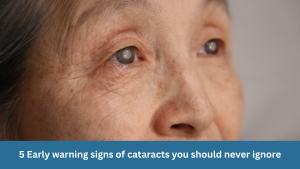
With years of dedicated experience in cataract management, Dr Parth Shah, a highly skilled ophthalmologist, has helped countless patients regain
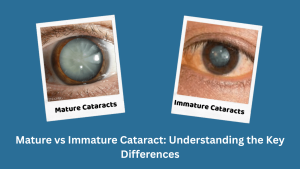
Cataracts are one of the leading causes of vision impairment worldwide, particularly among older adults. They occur when the natural
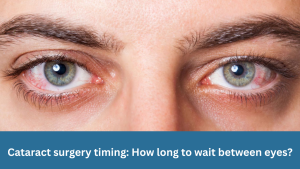
Cataract surgery is one of the most common and successful procedures performed worldwide, helping restore clear vision by replacing the
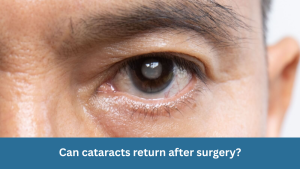
Cataract surgery is one of the most successful and frequently performed eye procedures in world. Each year, millions of Australians
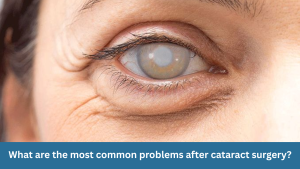
Cataract surgery is one of the most frequently performed and successful eye operations worldwide, with millions of people regaining clearer
Cataract surgery is one of the most successful and commonly performed eye surgeries worldwide, helping millions of people regain clear
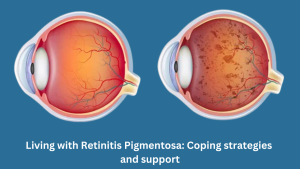
Retinitis Pigmentosa (RP) is a rare, inherited eye disorder that progressively damages the retina, leading to vision loss over time.

Cataract surgery is a life-changing procedure that restores clarity of vision and enhances quality of life. However, a successful recovery
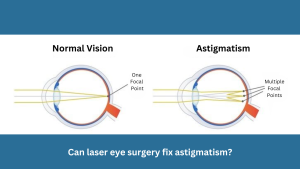
Astigmatism, a refractive error that causes blurry or distorted vision, is a common condition experienced by people of all ages.
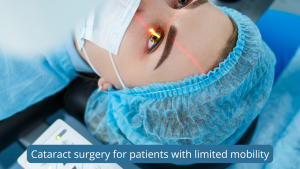
Cataracts are a common age-related eye condition, but undergoing surgery can be particularly challenging for patients with limited mobility. In
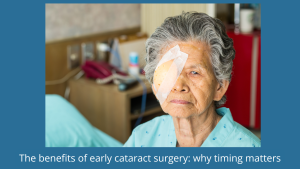
Cataracts are a common age-related condition, leading to blurry vision, difficulty in seeing at night, and a gradual decline in
Cataract surgery is a common procedure that can significantly improve your vision and quality of life. One of the most
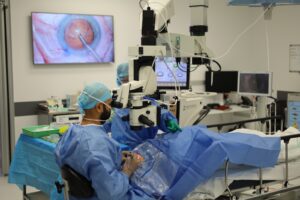
Are you a patient with diabetes who needs cataract surgery? Read on to learn about the risks, benefits, and considerations

Struggling with dry eyes after cataract surgery? Here are some practical tips, home remedies, and expert advice on how to
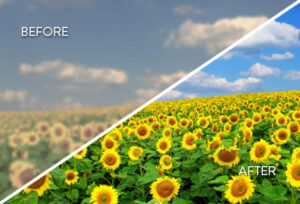
At a glance: CataractsEarly Symptoms: NoneLater Symptoms: Blurry vision, colours that seem faded, sensitivity to light, trouble seeing at night,
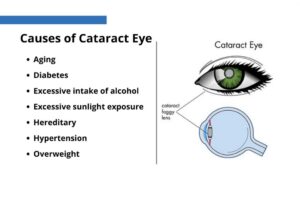
Cataracts are a common eye condition, where the eye’s crystalline lens becomes hazy or cloudy and consequently impairs vision. In

Vision with Cataract What are the Symptoms of Cataracts? A cataract is a problem with the clarity of the natural
If you’ve just had cataract surgery, you might wonder what to expect after the procedureis over. Will you be able

A cataract is a medical condition where the natural crystalline lens of the eye becomes cloudy or opaque. Cataracts are

What is Astigmatism? Astigmatism is a focusing problem which results in reduced clarity of vision. The word is derived from
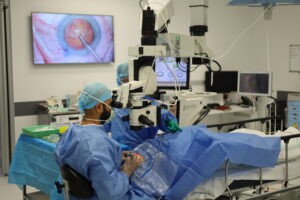
Cataract is one of the most common eye diseases, caused due to cloudiness of the natural lens inside the eye.
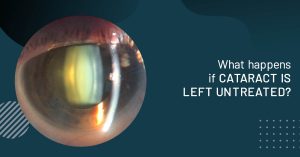
If cataract is neglected for long enough, cataract surgery can be more complicated, and the eye can take much longer
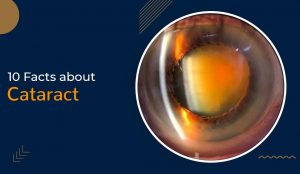
Dr Parth Shah performs cataract surgery in Canberra for patients of all ages – from newborns to the elderly. The